MATT ✘ BARR

Introduction

I love classic cameras. The experience of taking pictures with a 50+ year old camera is hard to describe. It is clean and uncluttered. Purpose built to record light yet depends on complete darkness for protection. (I love fixing them too.) The most important things in history have been and still sometimes are recorded with these kinds of cameras. I consider it a real honor to be able to carry on that legacy.

On film... it's pure, honest, and real. There is a truth in frame lines that is lacking in modern pictures. Want me to believe that what you are showing me is real? I need to see your frame lines. Some great examples of this are Diane Arbus, Sally Mann, and Timothy Greenfield-Sanders. Diane Arbus in particular. Many of her pictures are so outrageous that nobody would believe them had they been produced in today's world.

Lets not forget quality. Even in 20xx, classic cameras have the ability to produce truly stunning pictures. Especially in the larger formats. Look at Ian Ruther's 48"x60" wet plates.

People often ask me about cameras and photography gear. What follows below is my answer.

Rolleicord IV

Cost:            ★☆☆☆☆
Rating:        ★☆☆☆☆
Format:       Medium Format (6x6)
Produced:   1953-1954

Image Not Found.


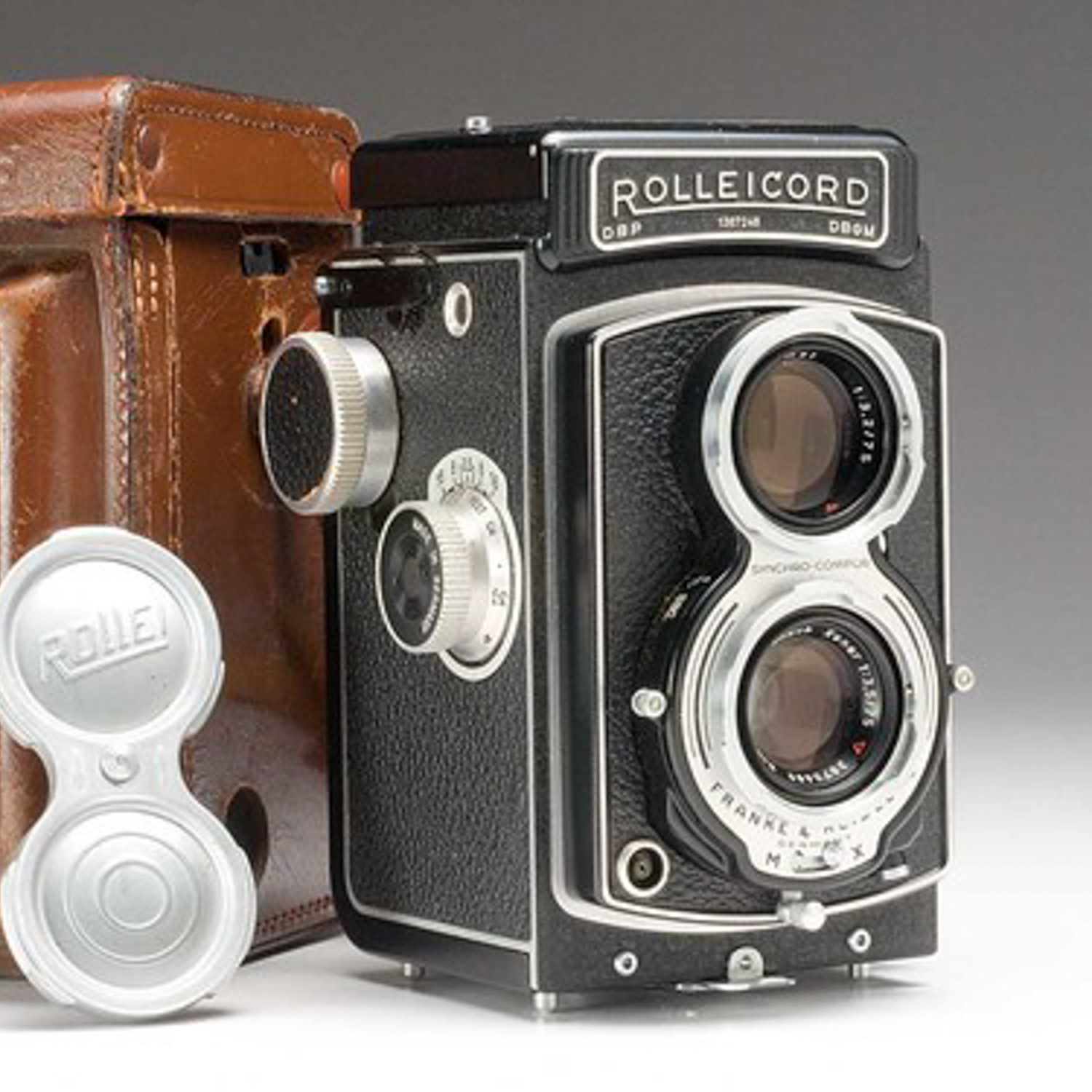
Lots of Rollei camera models have been produced and these can be difficult to shop. The Rolleicord line is a lot more economical than the higher end Rolleiflex line. The Rolleicord IV is a neat little TLR box camera. The sample I owned produced truly horrible pictures. I wanted to love it, but never managed to take a decent picture with it. However, I do love the simplicity and form factor of this camera. It feels great in the hand and packs well.

Image Not Found.
Taken With Rollei
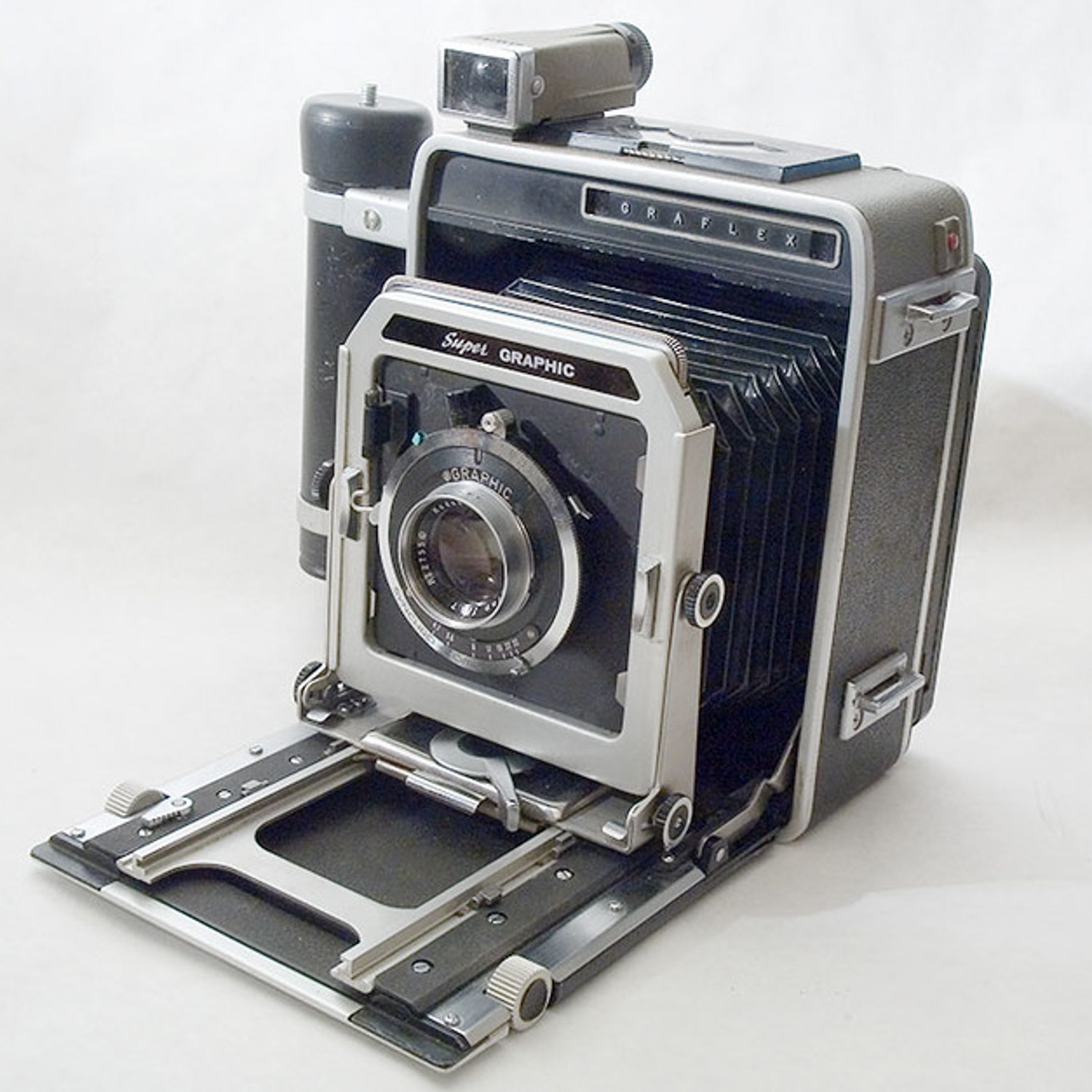
Graflex Super Graphic Camera

Cost:            ★★☆☆☆
Rating:        ★★★★★
Format:       Large Format (4x5)
Produced:   1958-1973

Image Not Found.


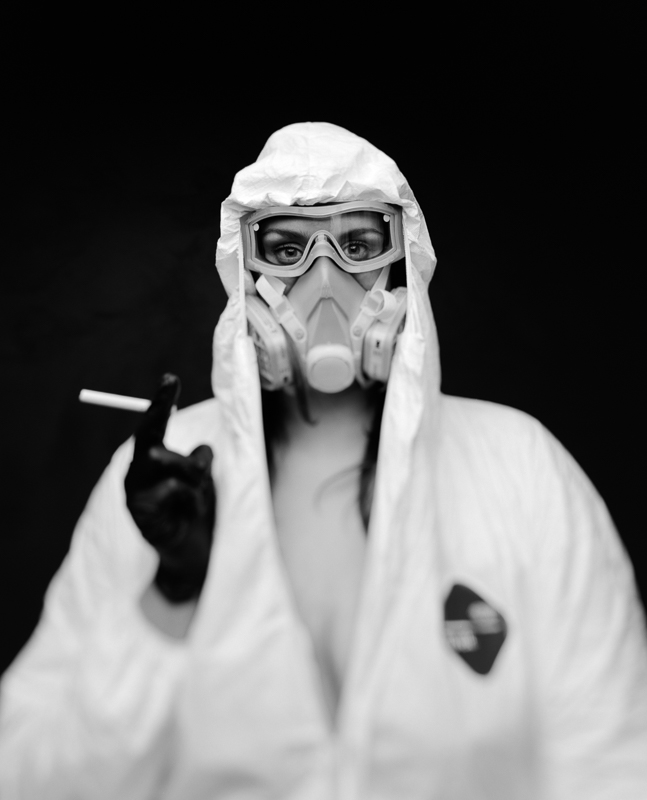
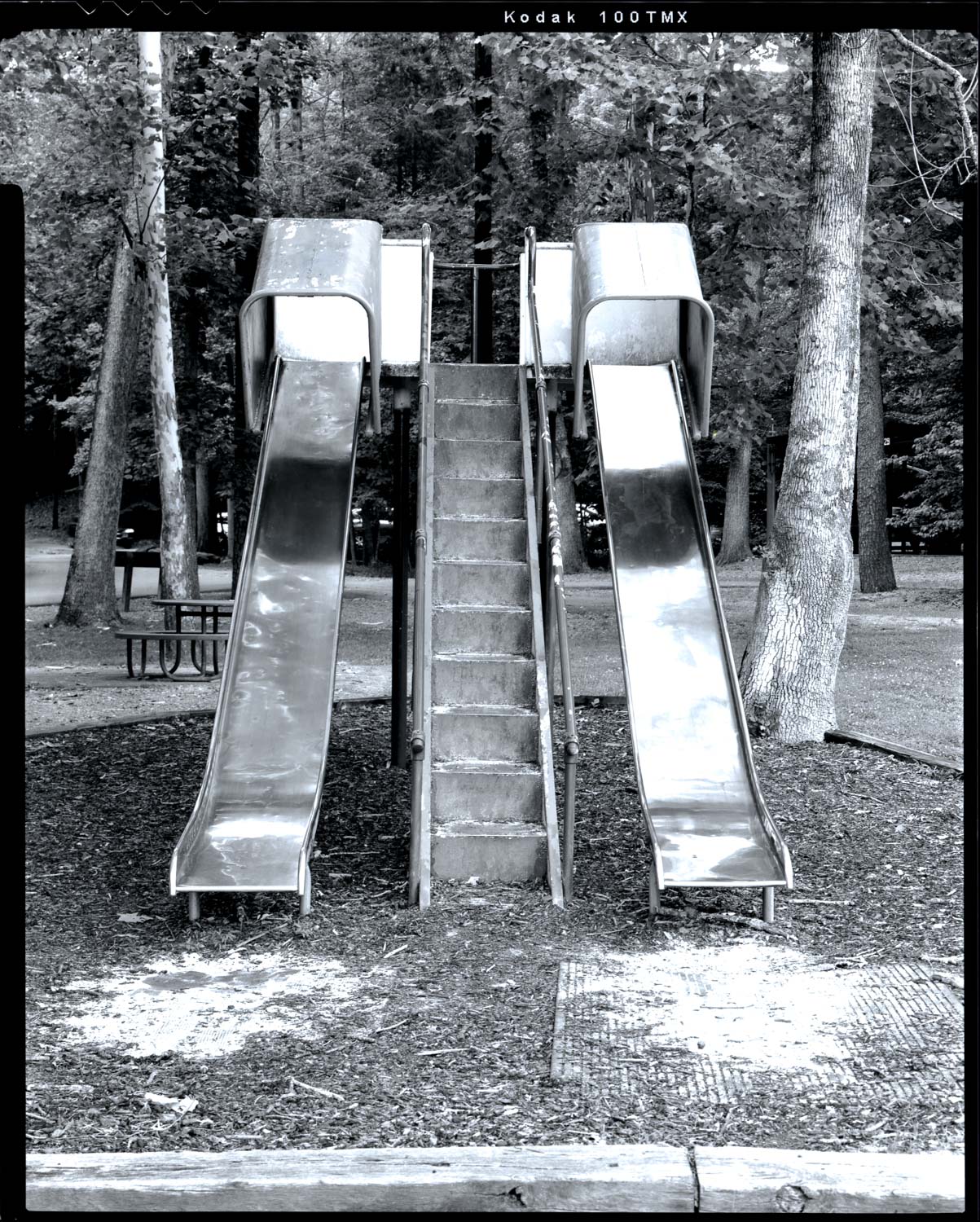
The Graflex Super Graphic is one of the last and best press cameras. This is my current go-to camera and I used it to shoot the "Radioactive" series. I love everything about it. Movement wise, it’s about as good as press cameras get. It’s got the full array of movements, but rear tilt and front swing are a little limited. Bellows are made of a thick slick plastic material, not cloth like a traditional field camera. Pickings can be slim these days for a portable large format camera system in good shape.

Image Not Found.
Taken With Graflex
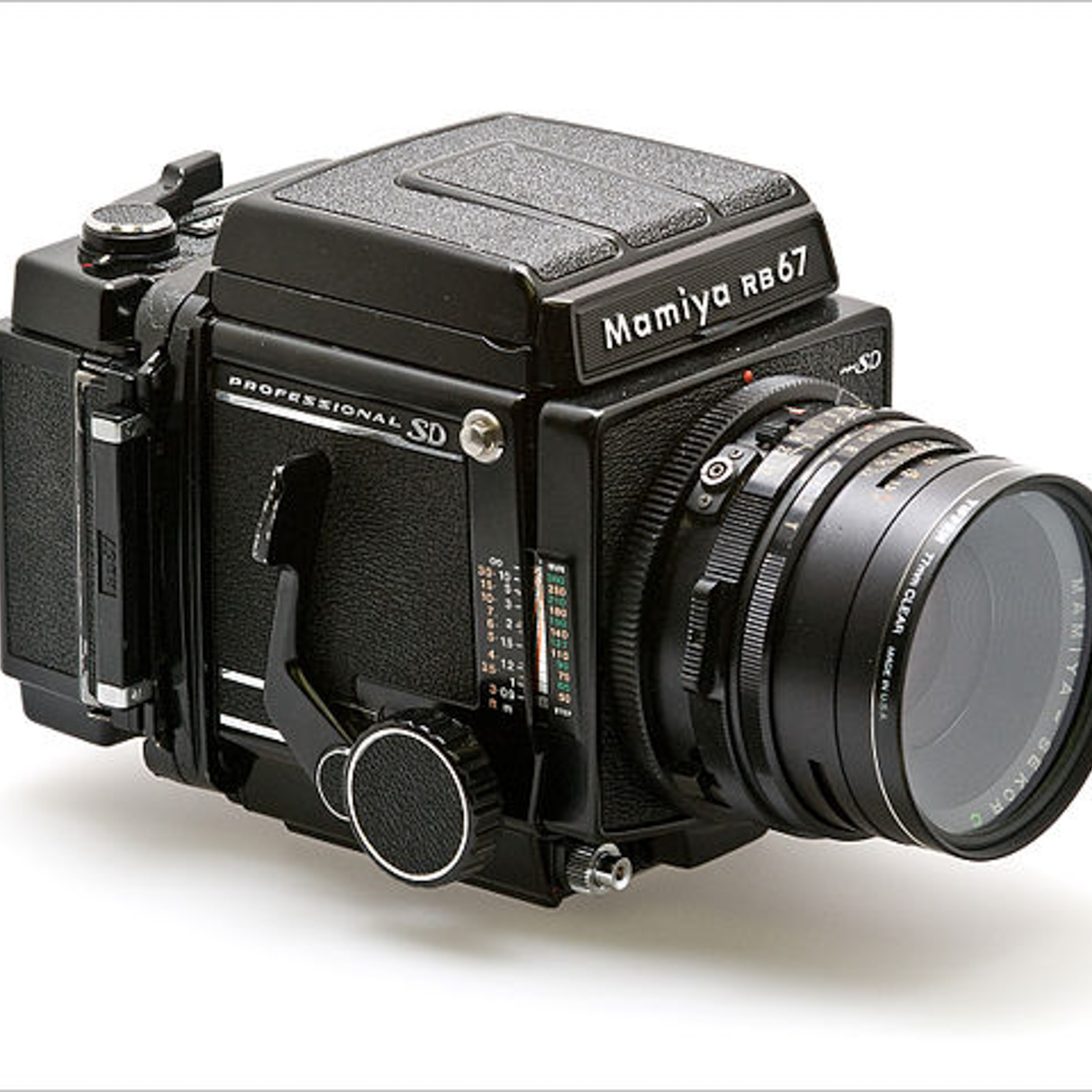
Mamiya RB67 Pro SD

Cost:            ★★★☆☆
Rating:        ★★★☆☆
Format:       Medium Format (6x7)
Produced:   1990-Unknown

Image Not Found.


The Mamiya RB67 Pro SD is a monster camera. It preforms best mounted to a tripod and does not feel great in the hand. Lens wise, the RB67 platform had some great wide angles. Of the 6x7 camera options that are still available, this is the easiest to find and the cheapest. Its back system is better than the more expensive, digital back capable, Mamiya RZ67.

I have owned two of these cameras. The first I purchased broken hoping to be able to fix it and I never could get the mirror to operate correctly. The other was a very special camera because it came from our local TV station where family once worked. It ran great for a few years, after sitting since the early 2000's, then went down with a shutter lockup problem. The trouble I had with this system is not common. Most of these run great. They do have a rather violent shutter.

Image Not Found.
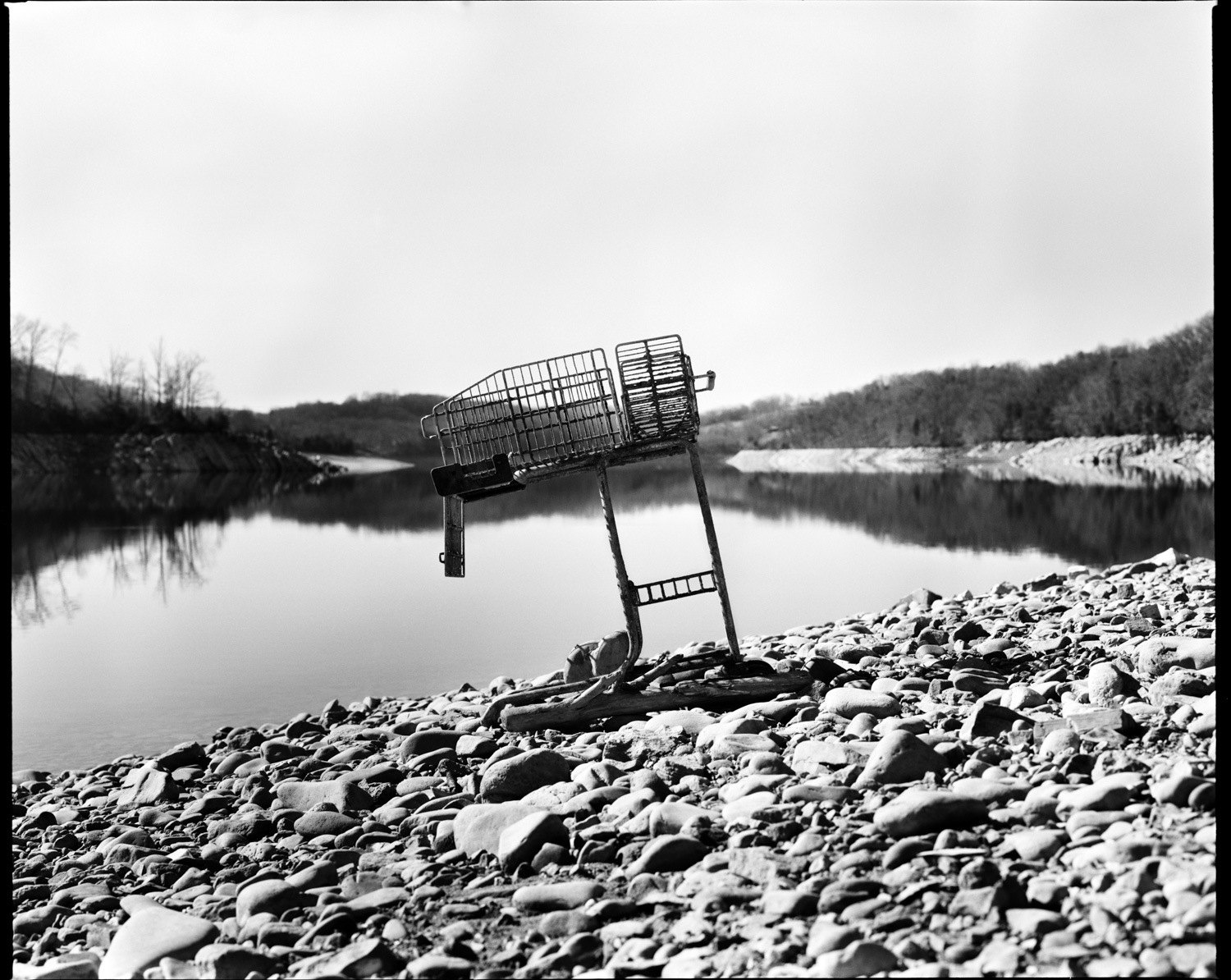
Taken With RB67
Nikon FM2 Camera

Cost:            ★★☆☆☆
Rating:        ★★★★☆
Format:       35mm
Produced:   1982-1983

Image Not Found.


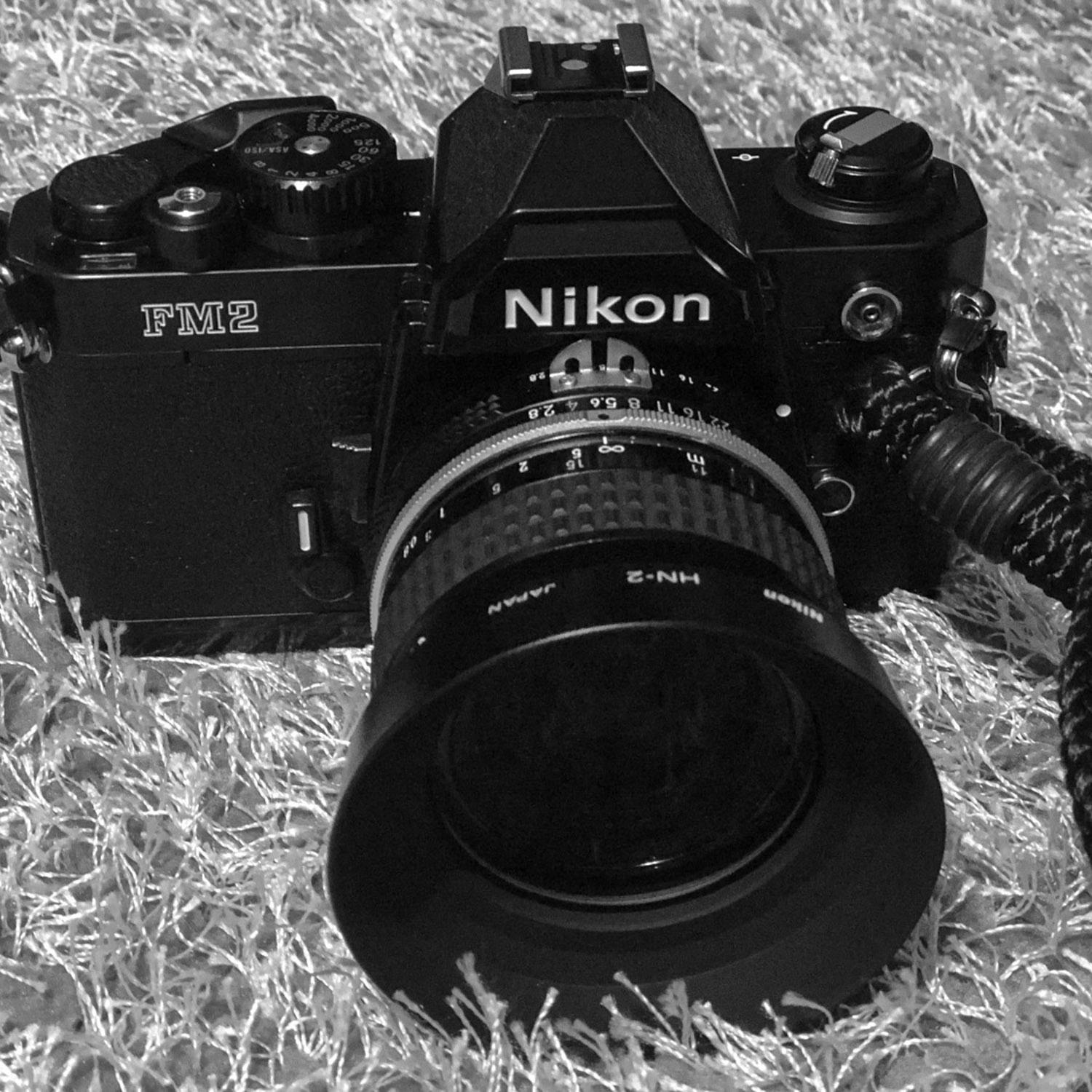
The Nikon "Full-Manual" FM camera is one of Nikon's best. If I were to buy another Nikon 35mm camera, it would be an FM2. It does have an electronic light meter in it, but no other electonics. Shutter is completely mechanical and made of titanium. This model has a reputation for being bullet proof. I sold mine for far more than I paid for it and it never had a single issue the entire time I owned it.

Image Not Found.
Taken With FM2
Nikon FG Camera

Cost:            ★☆☆☆☆
Rating:        ★★★☆☆
Format:       35mm
Produced:   1982-1984

Image Not Found.


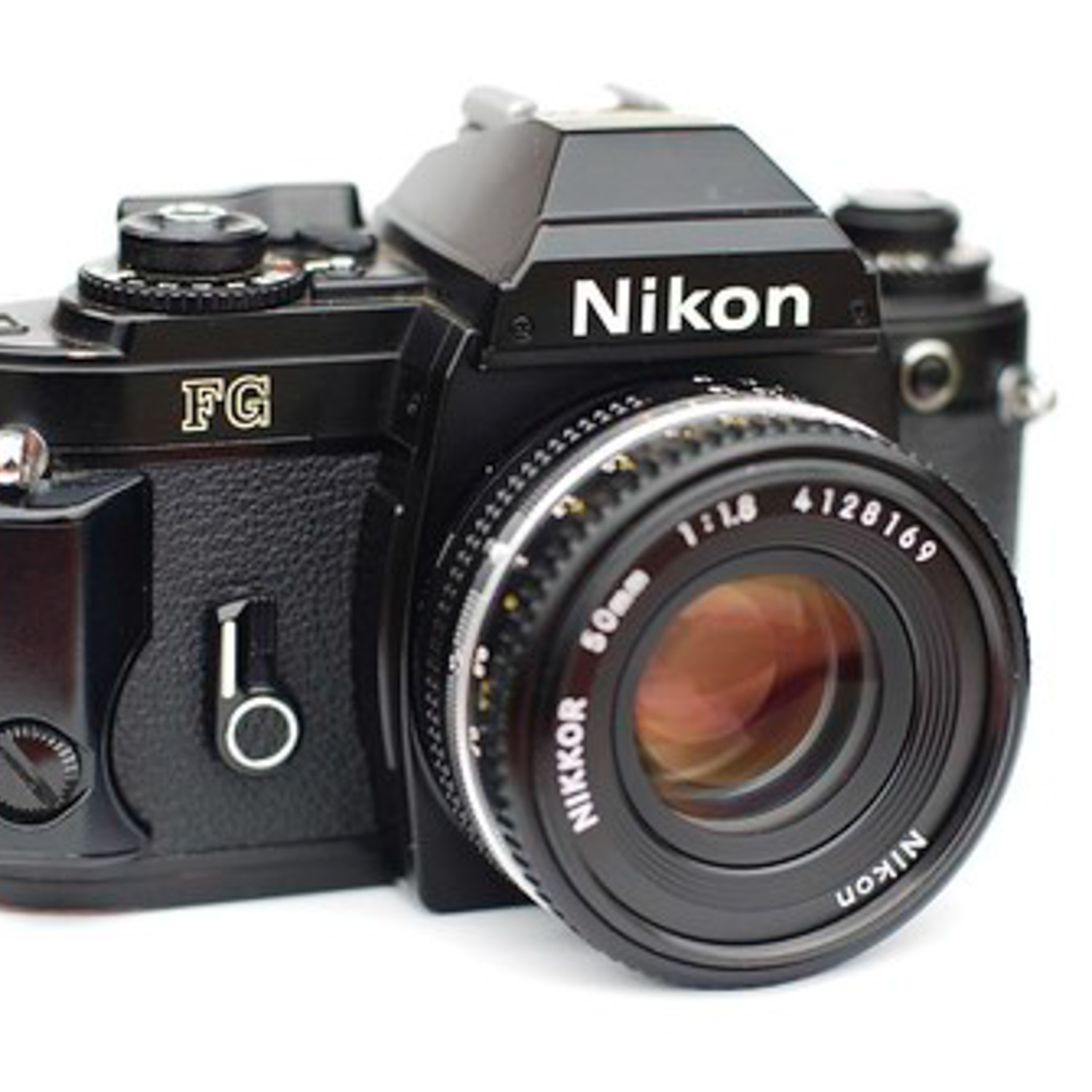
The Nikon FG is a great camera and is more or less a consumer oriented FM2. In my humble opinion, this is probably the most underrated camera in history. Everyone should own one. Let’s manage expectations a bit… It’s no German engineered Leica M6, but it is mostly metal and feels great in the hand. However, it can be found for around $50 in nearly mint condition. Its a no brainer.

Mamiya 645 Pro TL

Cost:            ★★★☆☆
Rating:        ★★★★☆
Format:       Medium Format (645)
Produced:   1997-1999

Image Not Found.


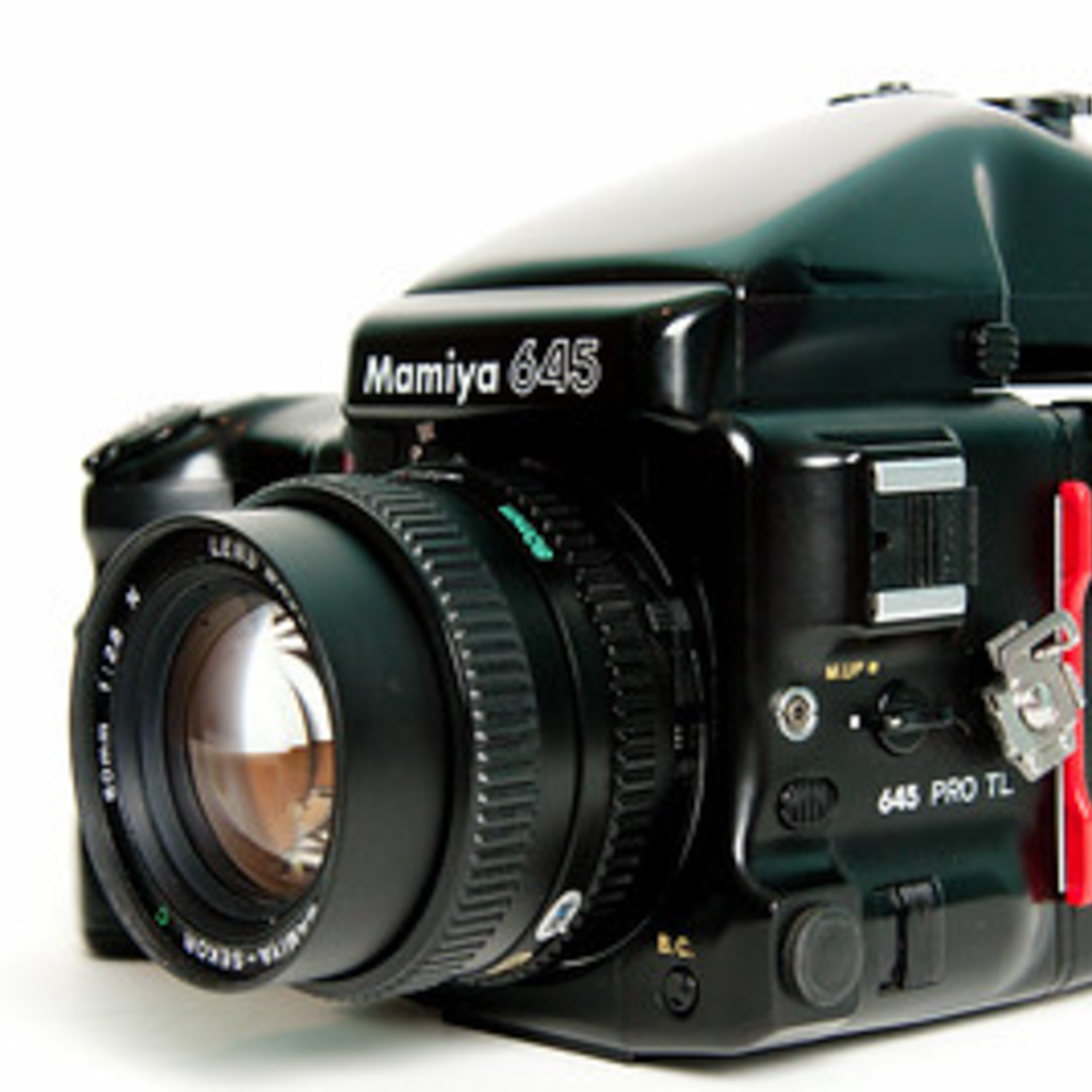
This is a wonderful camera to step into medium format from 35mm. These are still very popular and have nearly doubled in price over the past 5 years. It is also easy to find this camera in great condition, so its an easy camera to shop. The 80mm f/1.9 N version lens gets a lot of attention for this system, but I think it is way overpriced. The f/2.8 N version is excellent and much cheaper. These are reliable cameras too. If they do go down, it will likely be the film insert which are easily replaced.

I regret trading this system. The best image I believe I have ever taken was made with this camera (below).

Image Not Found.
Taken With Pro TL
Bronica S2A

Cost:            ★★★☆☆
Rating:        ★★☆☆☆
Format:       Medium Format (6x6)
Produced:   1969-1977

Image Not Found.


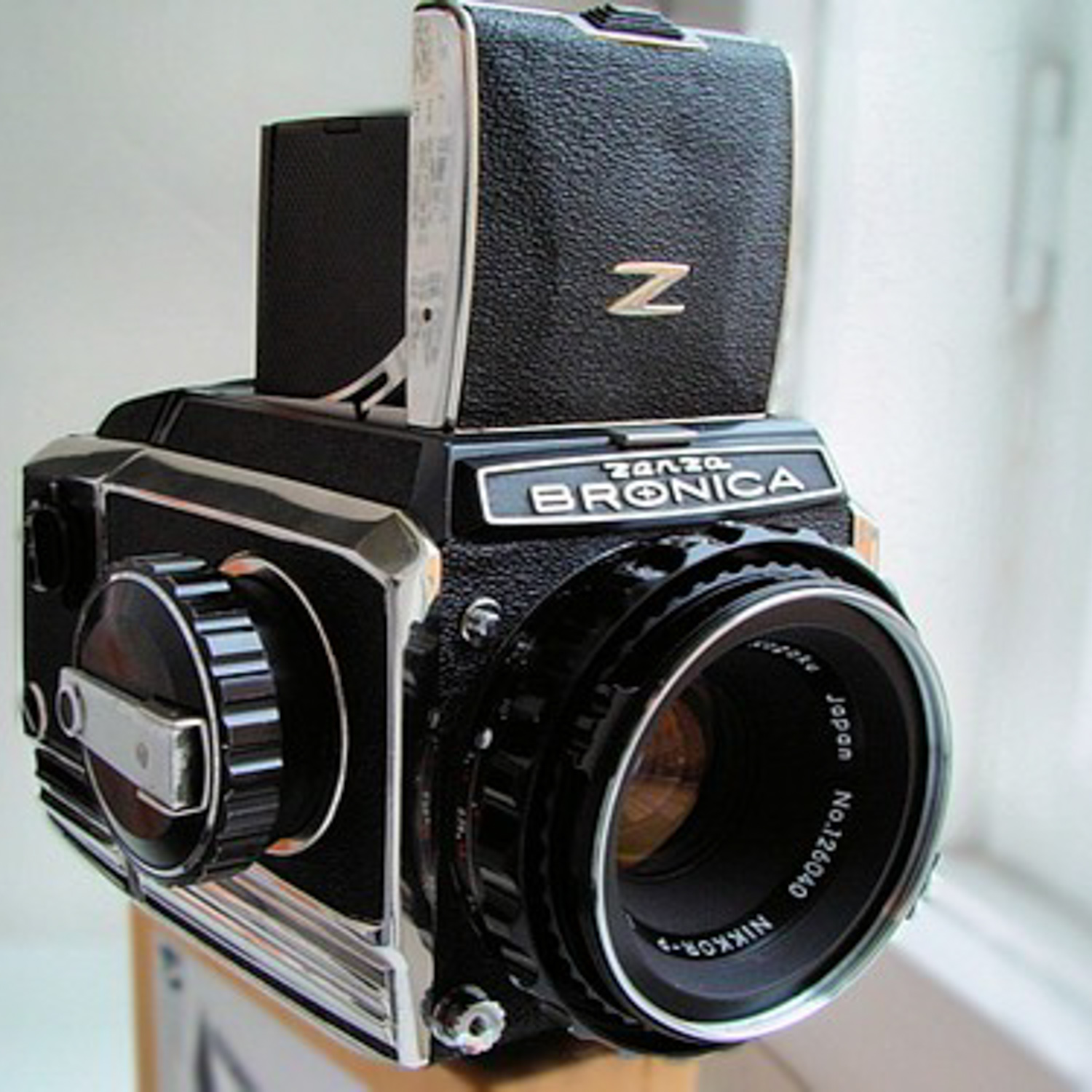
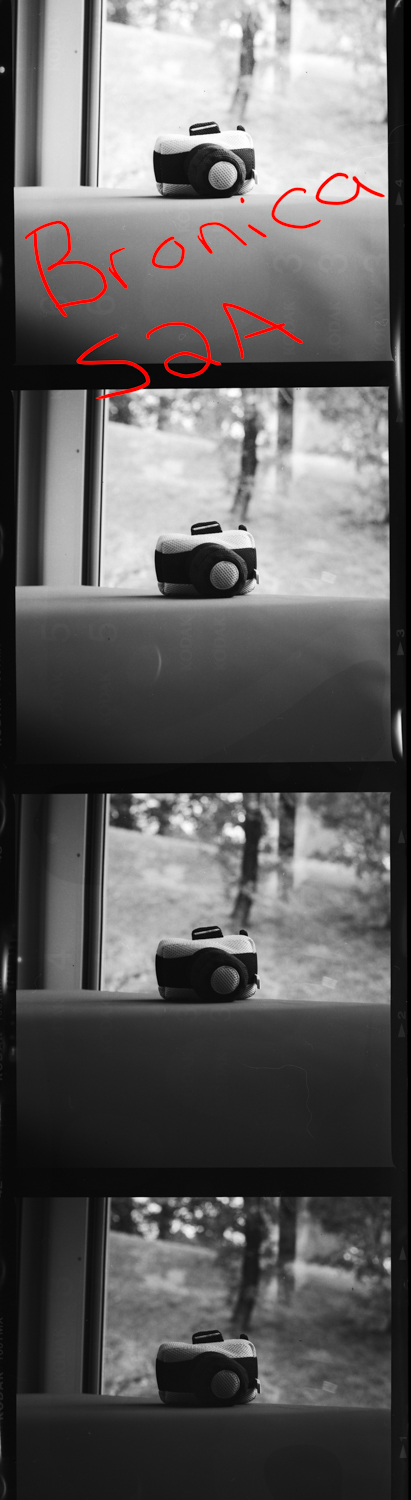
This brick of a camera is a true classic. I have owned two of these and shot the "9/11 Rolls" project with this camera. Unfortunatly, both were unreliable and went down often. I was able to repair them myself, but with the cost of film these days this camera is just not worth the risk. Under the hood this camera is a lot more finicky than its exterior build quality would suggest. A non-removable back would have made this camera far more reliable, especially on the "A" model with improved gearing.

Image Not Found.
Taken With Bronica
Cambo Legend

Cost:            ★★☆☆☆
Rating:        ★★☆☆☆
Format:       Large Format (4x5)
Produced:   1987-2010

Image Not Found.


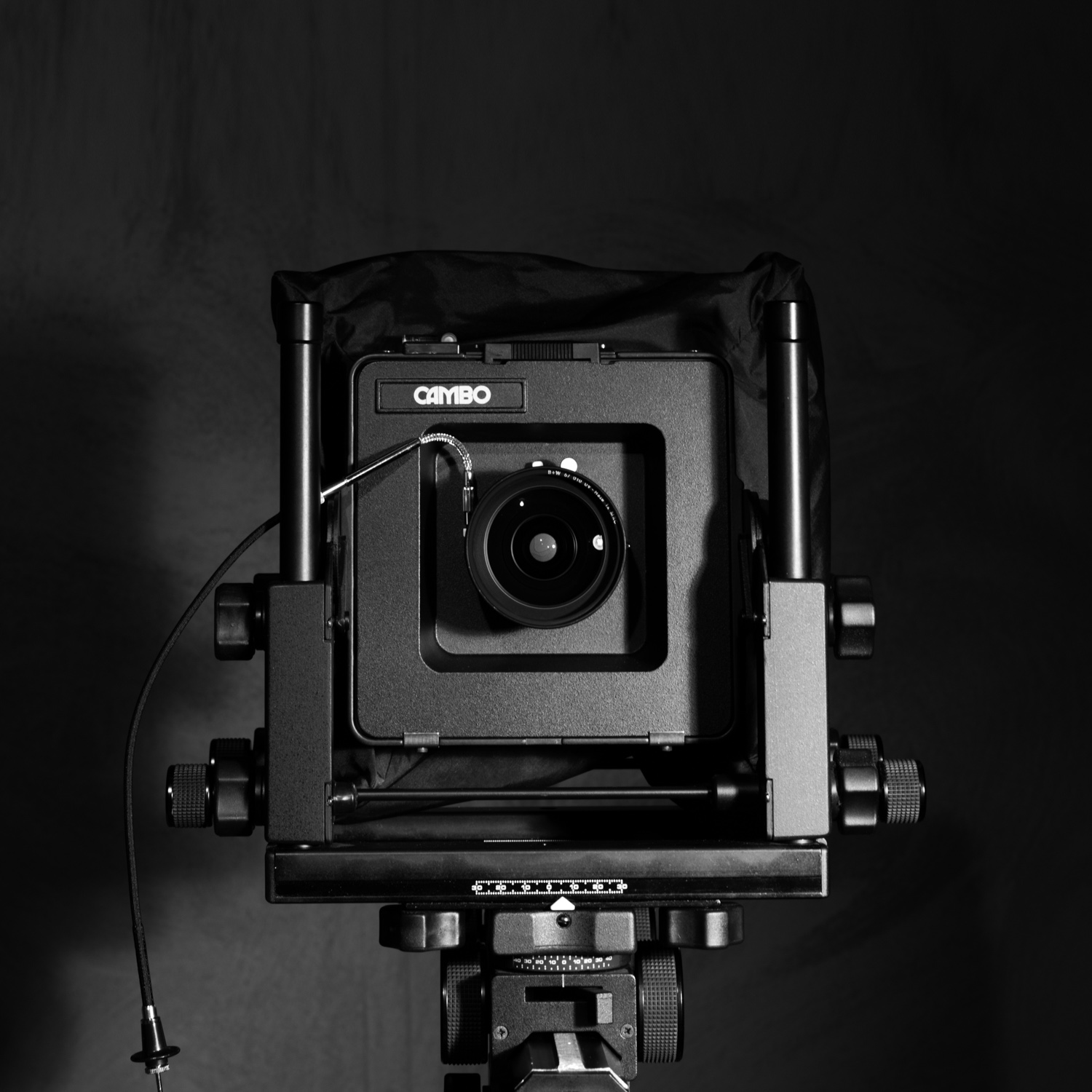
This is on the nicer end of the 4x5 monorail cameras. It is a nice camera, but requires ample support equipment. My rating of this camera has more do to with a personal dislike of monorail cameras than the camera itself. It is built very well, has a full array of adjustments, and is fully articulating. Monorail cameras, even the nice ones, are also cheap on the secondary market. This is the best way to get into large format. However, the major drawback of this camera is simply its form factor and huge size. Moving around with this camera is not simple. Most of them come with a suitcase or small chest sized case. When I had mine, I moved it around on a dolly.

Image Not Found.
Taken With Cambo
Harrison Film Changing Tent

Cost:         ★★★★★
Rating:     ★★★★★

Image Not Found.


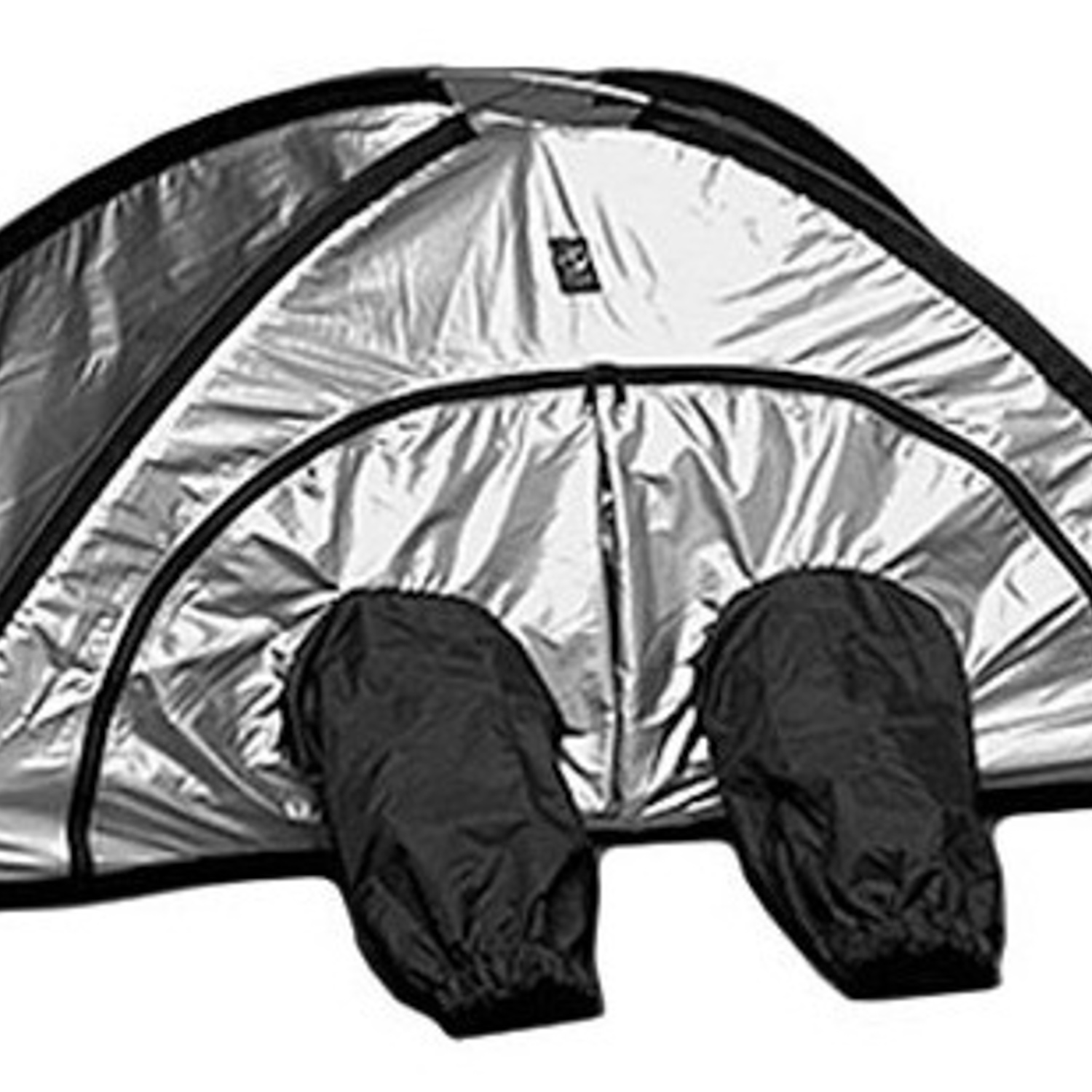
The most important thing about loading and unloading film is doing it in complete darkness. Of equal importance is loading the film correctly with as little handling as possible. Harrison’s tent is perfect. Its small form factor does not require a dedicated darkroom, and having a roof suspension frees up the hands. Everything Harrison makes is of the highest quality, but tends to be expensive. If you are serious about shooting film, a top of the line dark bag or tent is a solid investment. Can’t go wrong with this one. Buy it from B&H.


Project Summary

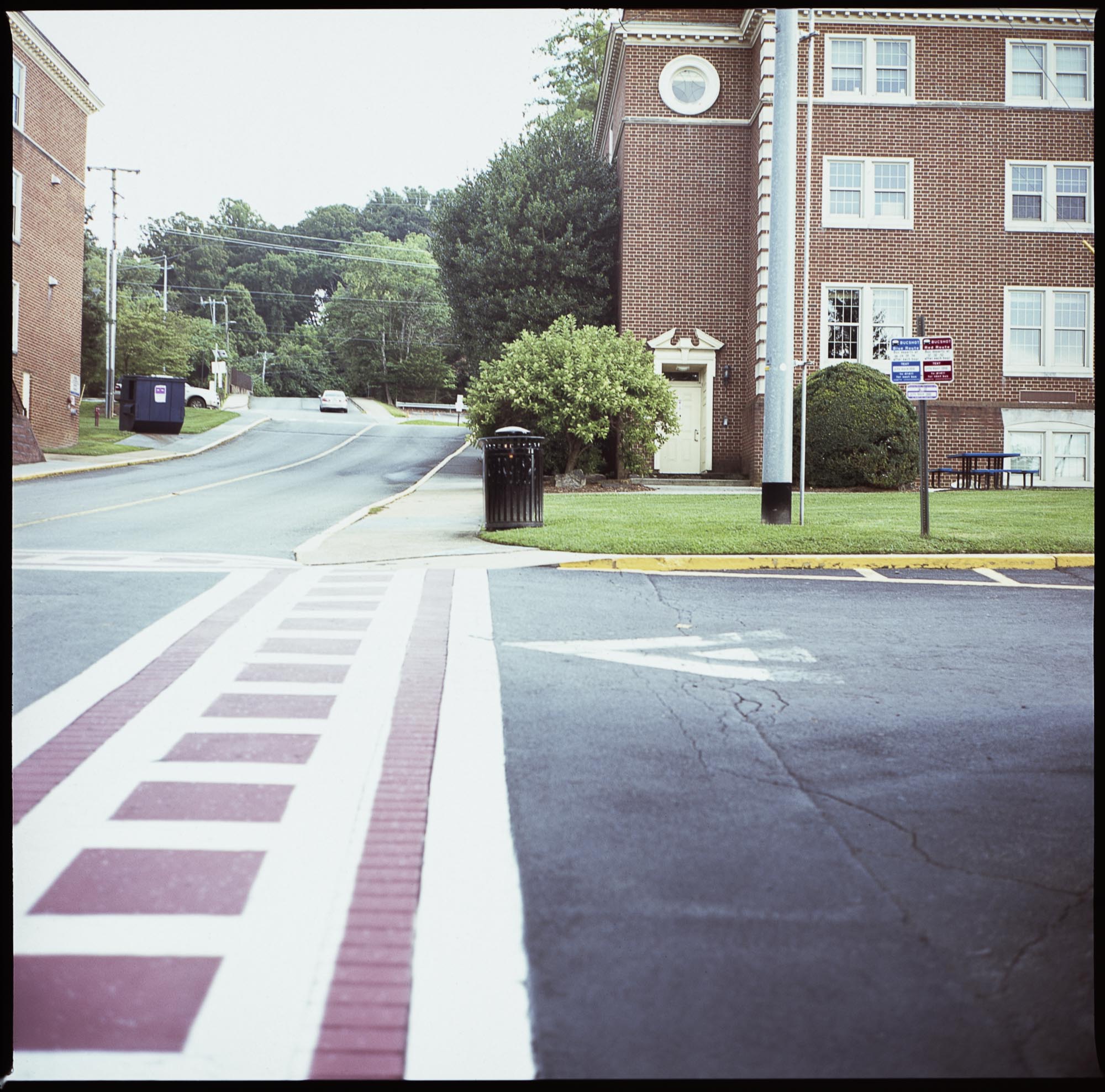
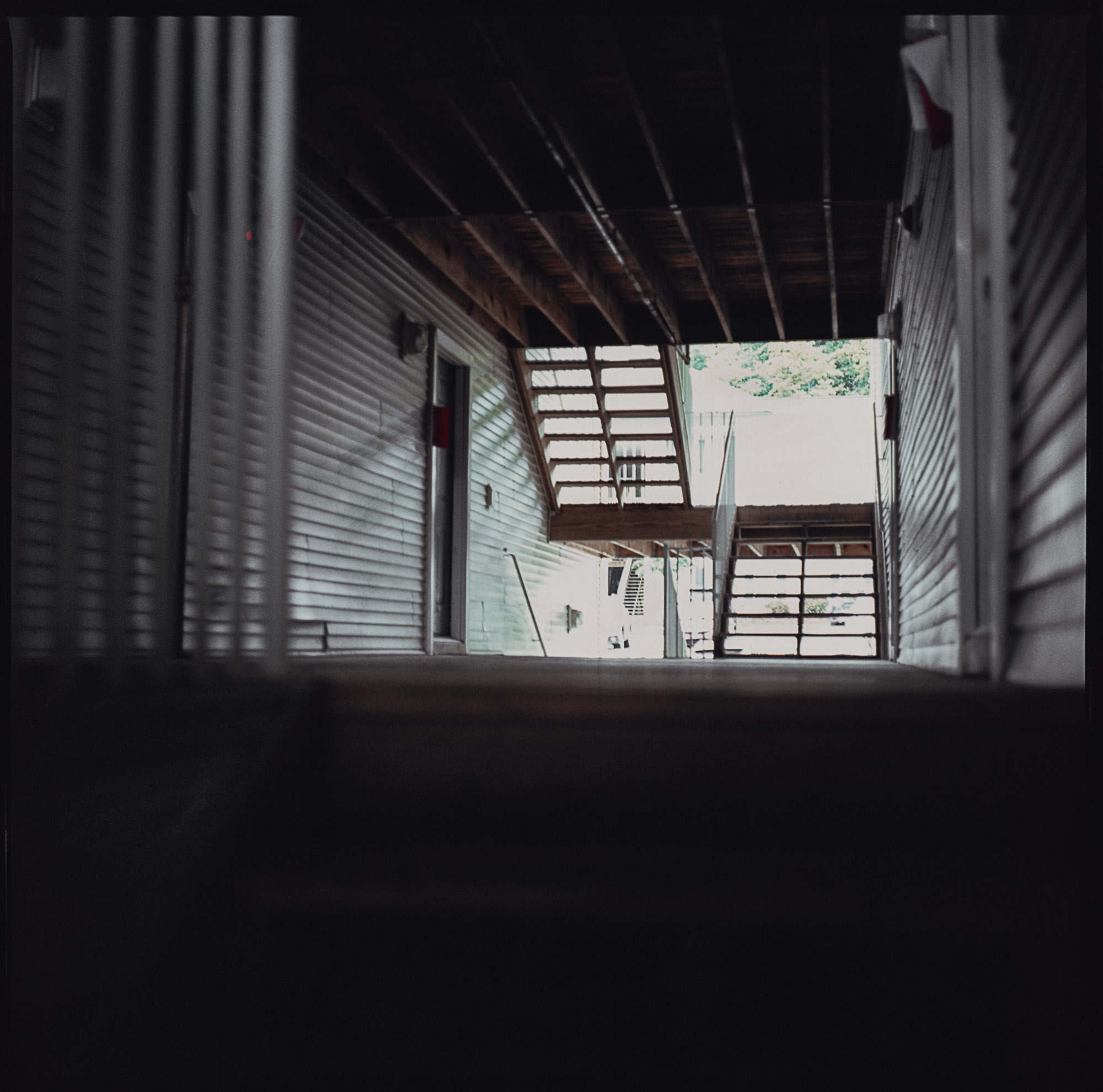
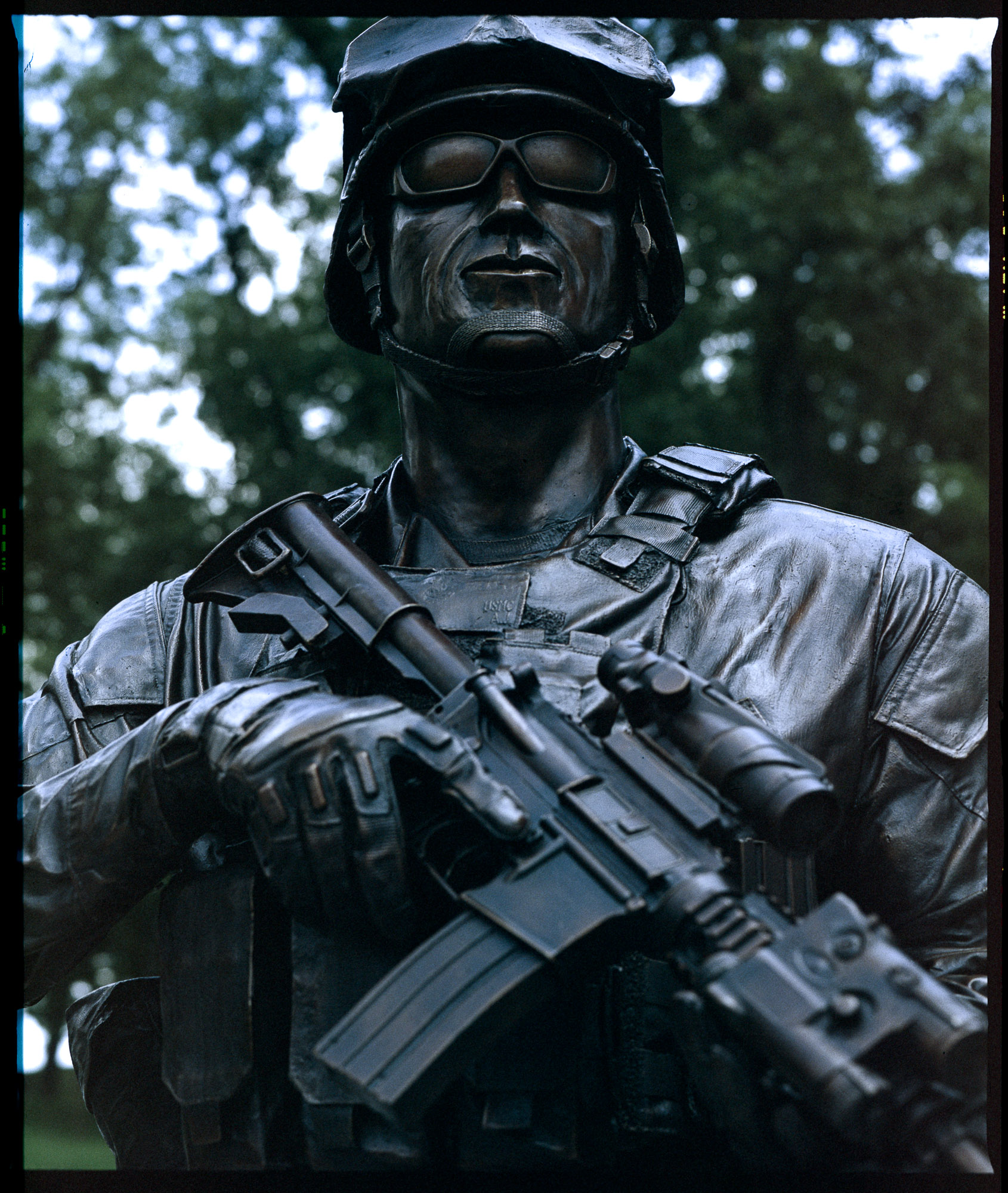
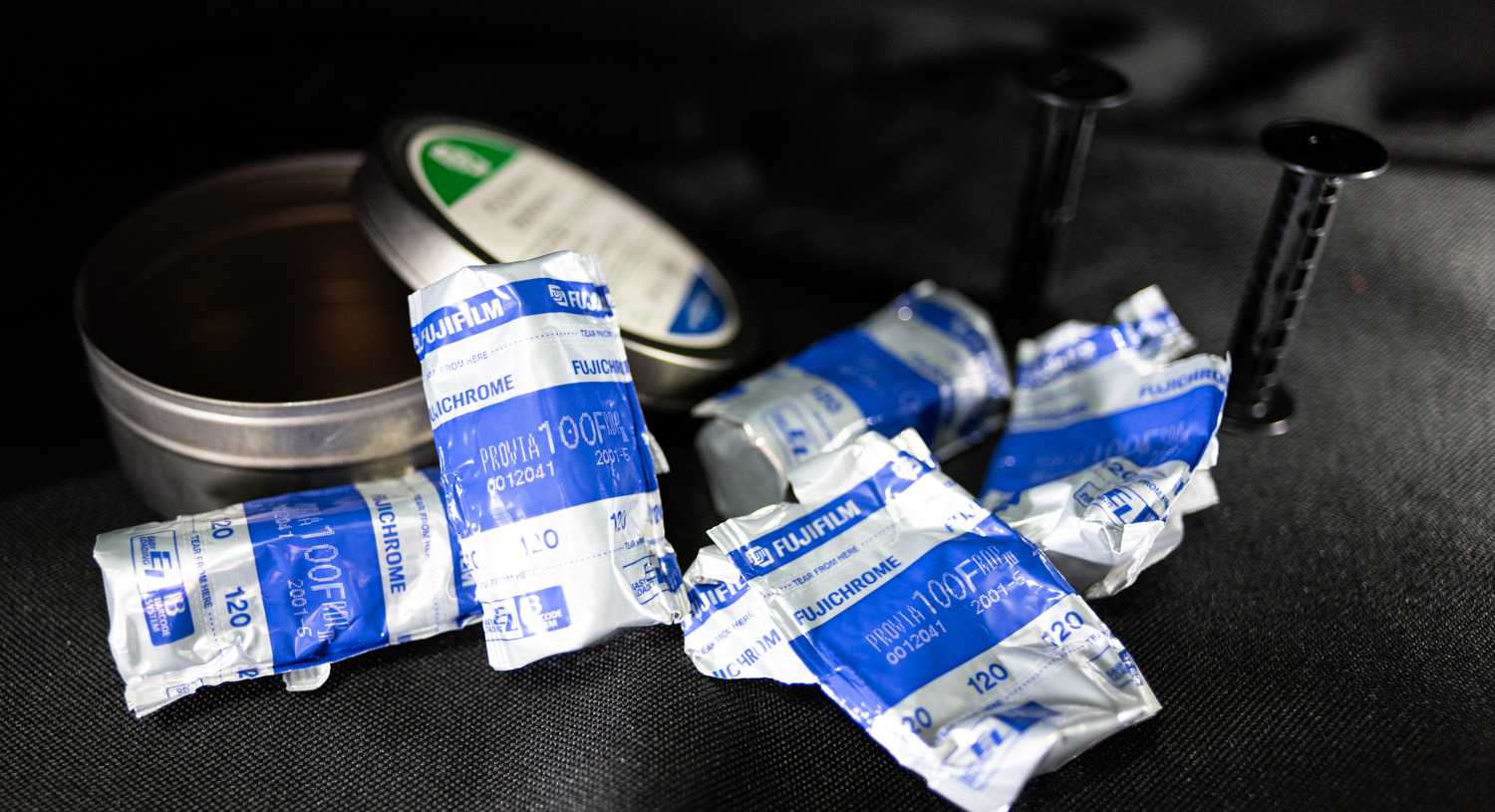
The 9/11 Rolls - is a visual essay about my experience and recollection of events surrounding the terrorist attacks of September 11, 2001. These photographs are shot on rolls of Fuji Provia 100F Professional RDP-III film that expired in late 2001.


Completed: Summer 2019


Why?

I recently found 5 rolls of Fuji transparency film in storage that I noticed had expired just a few months before the terrorist attacks in September of 2001. These events happened at a critical time in my life, and I thought I’d share my experience with this film from the prospective of a college freshman in East Tennessee. The thought was that I could include my experience in the collection of the experiences of others about that day. I wasn’t directly impacted by these attacks, no more than any other American. However, these events changed so much in all of our daily lives.
Missing.

Pre-9/11

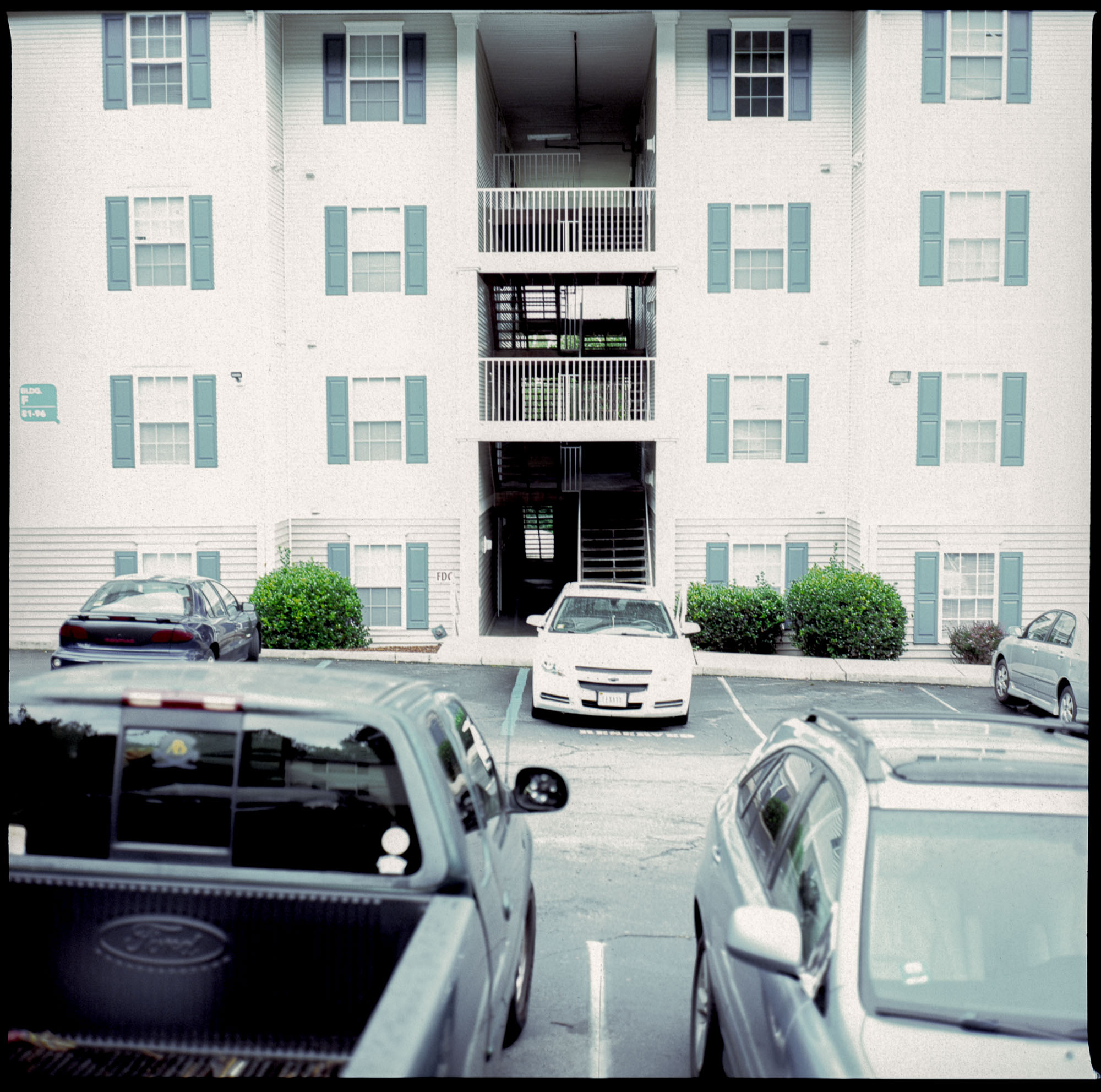
In May of 2001 I graduated high school. I promptly moved to Johnson City, Tennessee to prepare for the coming school year. I don’t remember much about the summer of 2001, but it’s safe to assume I spent that time adjusting to life living away from home for the first time. The apartment complex I moved to was called Seminole Ridge located a few streets behind campus. Our building was brand new, so new that I remember having to remove the instruction manuals from the appliances. (There was a newer building that was partially finished, but it burned down a month or so before we moved in.) Just before school started a small group of friends from high school moved into the apartment directly below us. In total, there were 6 of us from Dobyns-Bennett and we became rather close, and for the most part remain so today.


In August, school began. I was a good student then, and I remember feeling like college was easier and more laid back than I expected. In those first few months of college, I walked to school. It was a bit of a hike from our apartment on Seminole Drive, but I guess I felt more engaged in it all by being on foot. I never walked to school again after September 11, 2001. For no particular reason, it’s just something else that changed after that day.


9/11

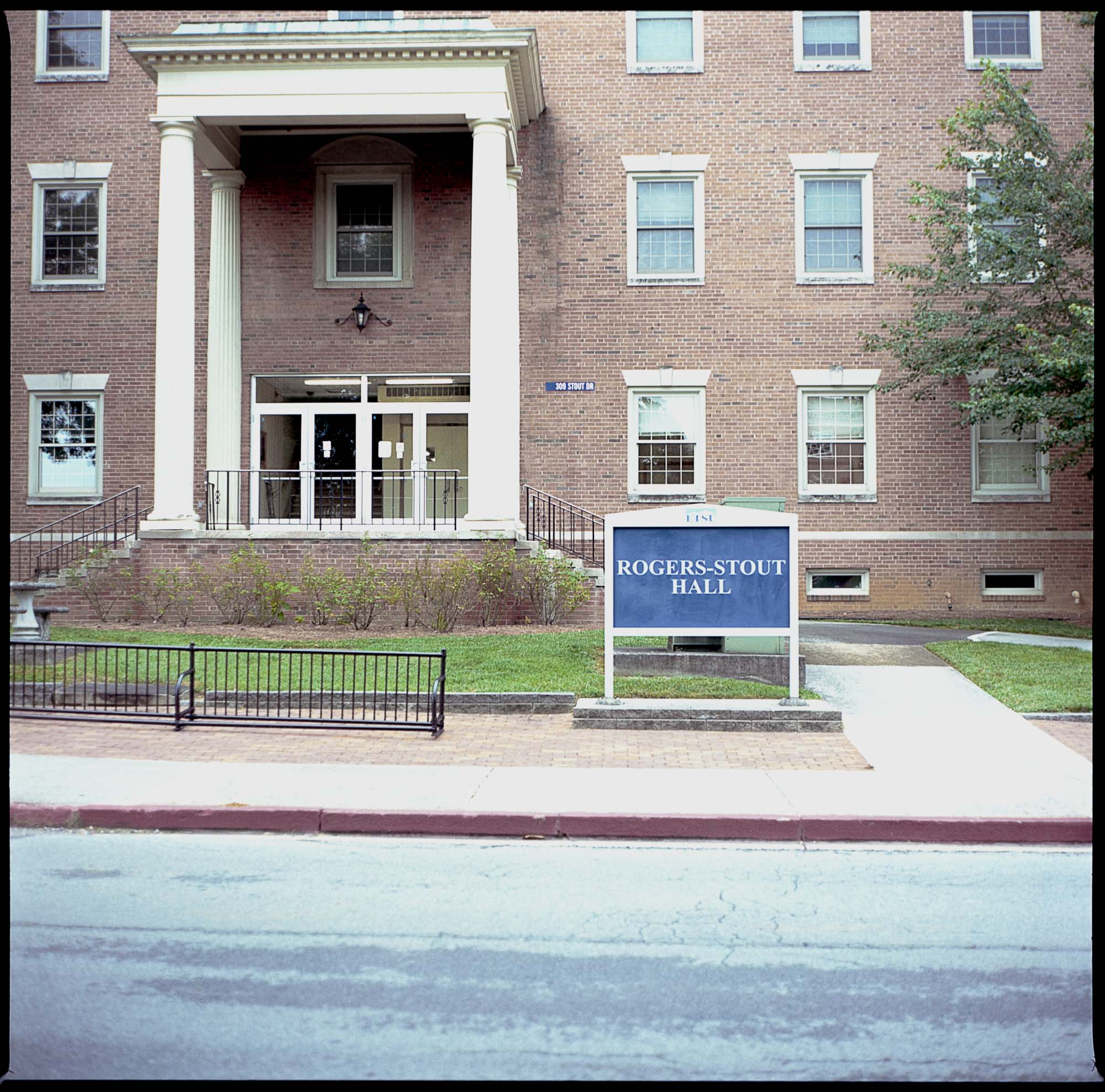
The morning of September 11, 2001 was like any other. I remember leaving school after class and walking through campus on the way back to our apartment. As I turned left near the mini-dome heading uphill toward Seminole Drive, I experienced something that I’ll never forget. There was a girl sitting in front of a door at Ross Hall, head bent between her knees, crying in the most profound way that I have ever seen anyone cry. I didn’t understand it, but it gave me the feeling that something was wrong. I continued to walk past her, and remember feeling shaken. I also remember how calm things felt. There were no cars, or people for that matter. I didn’t notice any of this until I saw that girl.


When I got back to our apartment complex, I went to the lower apartment where we normally hung out. When I walked in, everyone was there and gathered around the TV. School had been cancelled, but our class hadn’t got the message. I had arrived home just before the towers fell. It seems naive now, but the consensus in the room was that this was all a big accident. I was also thinking that the girl that I had just passed was probably reacting to what I was now watching live on TV.


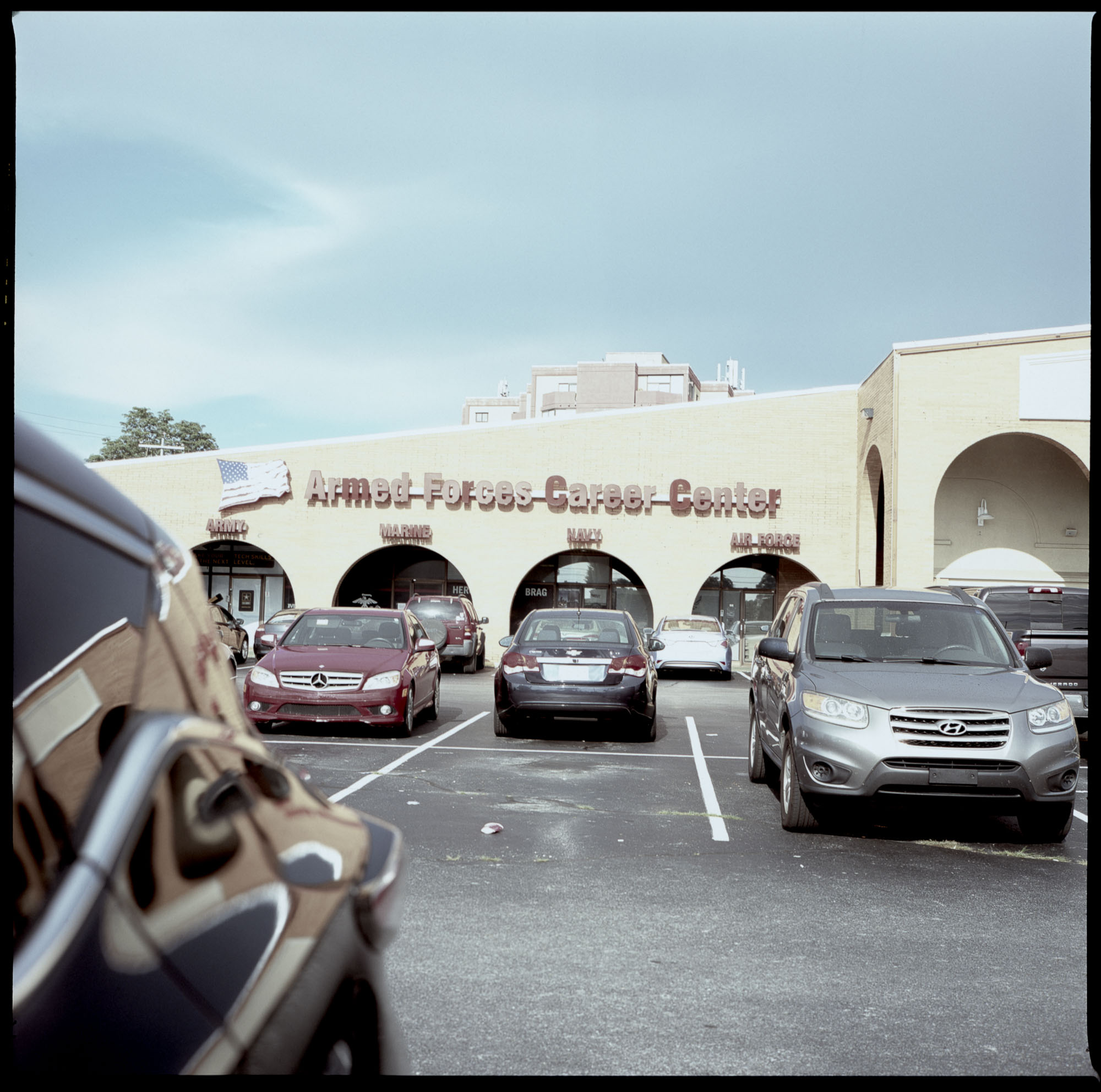
As we watched the towers fall, reality hit hard. Everyone collectively came to the realization that this was no accident. Once it was announced that Al Queda was responsible for the events that we had just witnessed, we did what most Americans did and asked rhetorically what the hell Al Queda was. The Arab world was an obscure place before 9/11, at least for a college student in East Tennessee. The news did a pretty good job of explaining Al Queda and specifically Osama Bin Laden which set off a collective shit storm in our apartment. That anger had major side effects. For us and so many others, our initial reaction was to retaliate, hard. Three of us made a knee-jerk move and piled into a truck and went down to the local recruiting office. I don’t think any of us had seriously considered a military career before 9/11, but the type of anger we felt that afternoon is difficult to deal with. None of us were rational, we just wanted to get at the bad guys.


The soldiers that were in the recruiting office that day were not at all like what we expected. I think the three of us expected them to be uber-pissed and gearing up for war. That was not the case. Their demeanor was entirely solemn and reserved, in retrospect because I think they knew exactly what this would mean for the American military and had absolutely no idea what this would mean for them personally. I don’t remember what all was said, but we essentially asked to sign up, but were told to come back another day. TJ Burdine was the only one of us who did, and he made multiple subsequent attempts to join the marines despite a peanut allergy that disqualified him from service. He trained with a group of Marines for a short time while he appealed for a waiver, but ultimately gave up when his appeal was rejected.


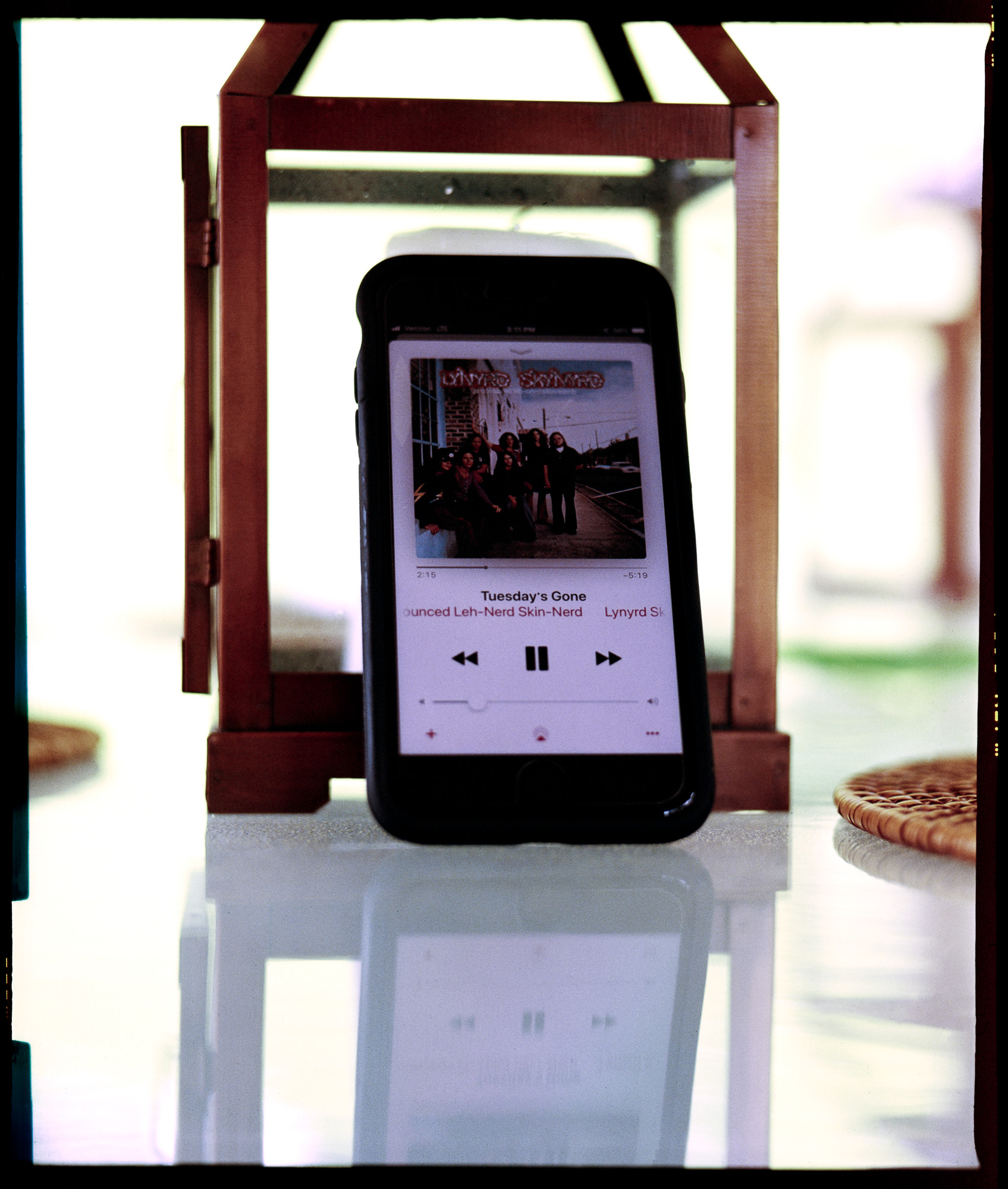
Back at home, we sat around the TV watching the news the rest of the night. Sometime that night, someone played Lynard Skynard’s Tuesday’s Gone and ever since I’ve associated that song with that day. Reflecting back, early on the morning of September 11, 2001 all I was concerned with was figuring out college. By the morning of September 12, 2001, the world had been turned upside down.


Post-9/11

If you are an American in your late 30's or older, you probably can relate when people talk about the way things were before 9/11. A lot of the problems we had then remain, but overall life was more Andy Griffith like than not. 9/11 was the clear divide of our generation. There will always be a before and after for us.


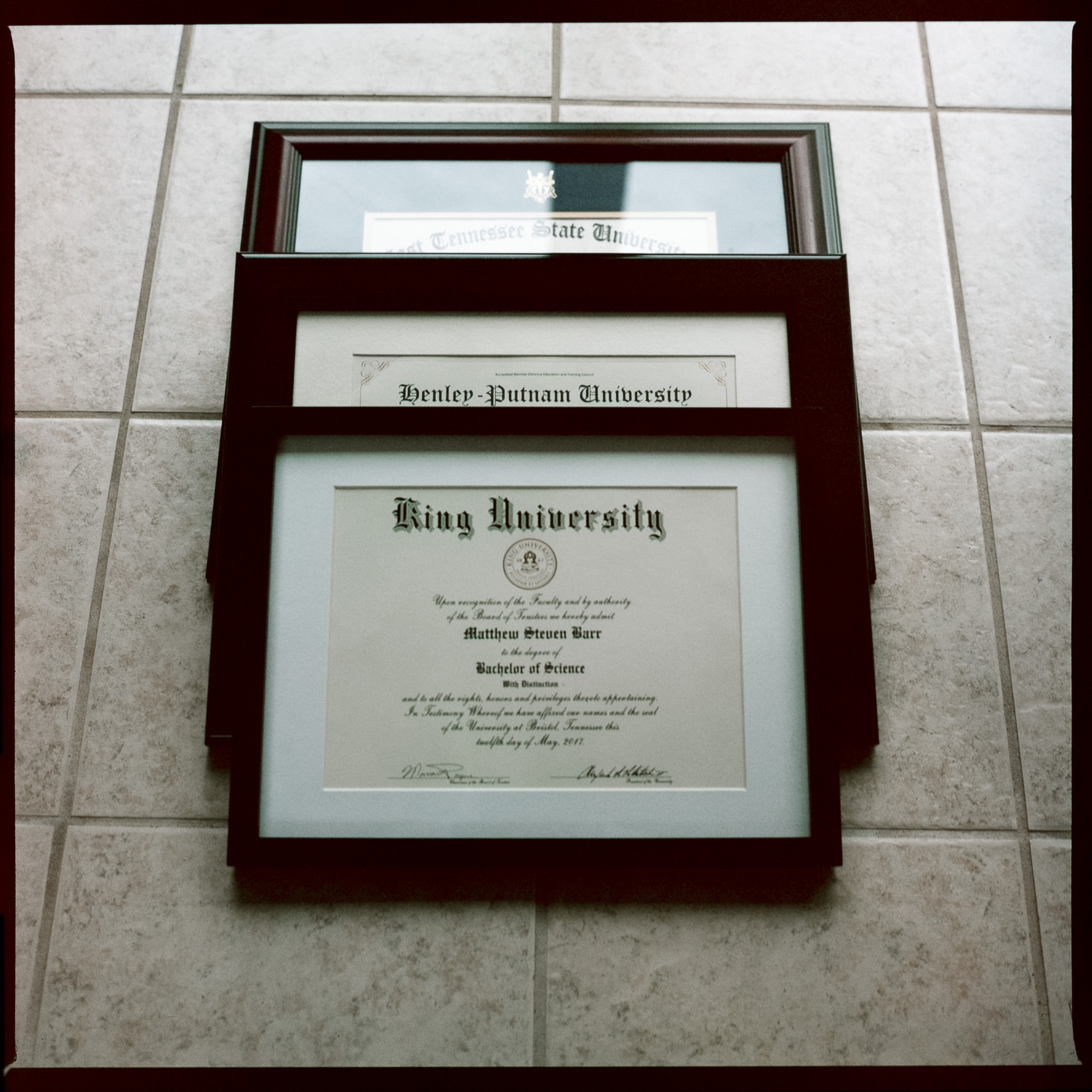
Before 9/11, I had no idea what I wanted to do with my life which is probably normal for a teenager. After 9/11, that changed. I chose to pursue a career in federal law enforcement with the encouragement of my academic advisor. It felt like a natural choice due to the state of the world in those days. The Transportation Security Administration (TSA) and Department of Homeland Security (DHS) did not exist before 9/11. With the creation of these new government agencies, the thought was that there would be a high demand for jobs for them. I graduated and found out rather quickly that these types of jobs require real world experience. I doubled-down and went on to attend graduate school, and on to a third degree some 16 years after the events of 9/11. My story is not unique. 9/11 had a massive effect on all of us.
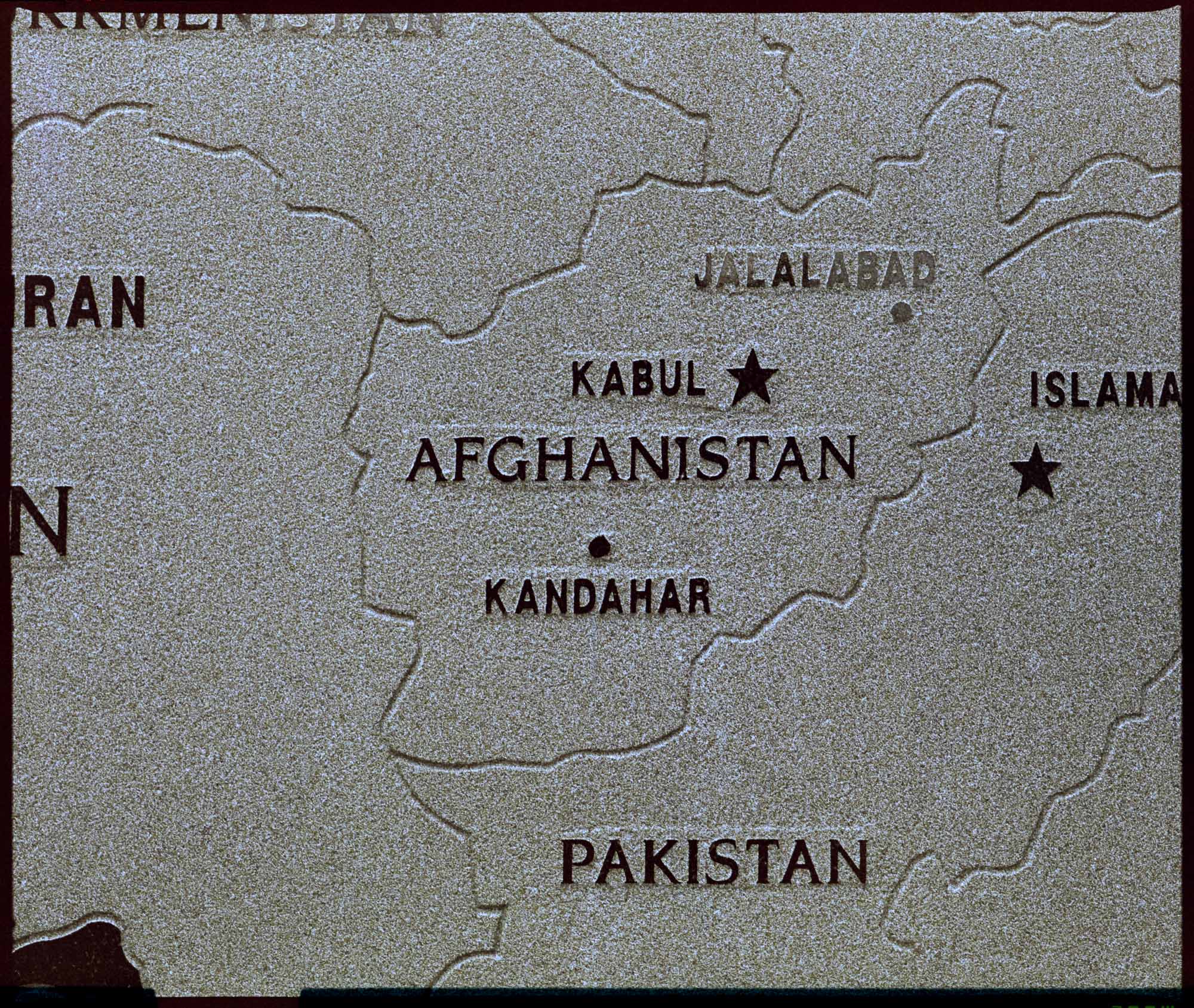


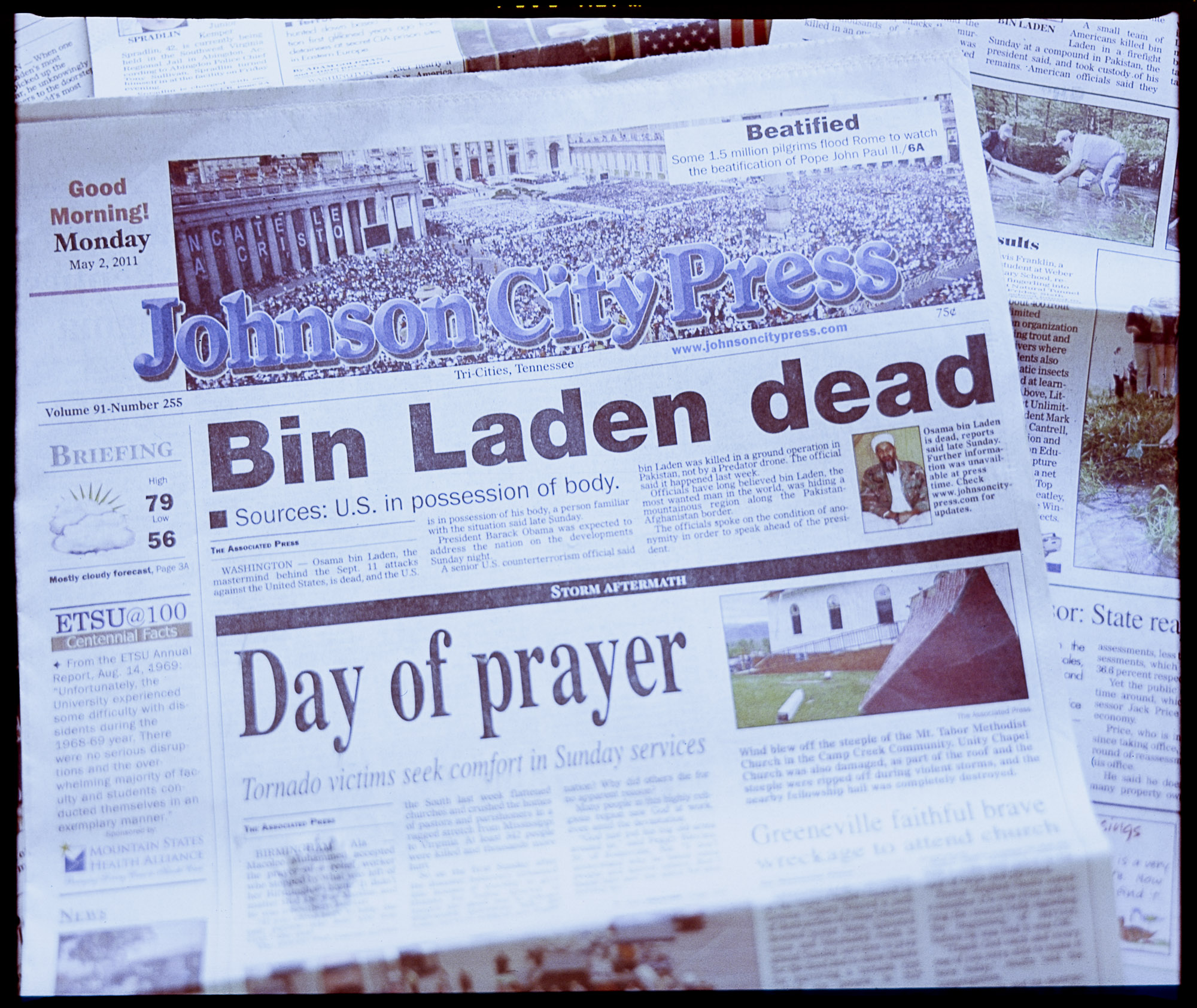
It’s important to talk about the collective spirit that came about from 9/11. It’s not like 9/11 caused an immediate wide-spread feeling of patriotism in America. I think most of us were concerned about New York and DC, then it became a bigger issue once we learned the scope of the terrorist plot targeting plural America. We spontaneously rallied together once we understood we were someone’s enemy. Particularly when congress declared the war on terror. (The vote was 98-0 in the Senate and 420-1 in the House). The only other time I’ve seen this kind of spontaneous widespread patriotism in my life is the night Osama Bin Laden was killed. From my point of view, the USA chants at soccer matches and political rallies is not the same kind of patriotic spirit we felt in those days. I think those who lived through 9/11 and events like it fundamentally understand that it needs no words or chants to express itself. It happens when everyone decides for themselves that they love their country and line up behind one another to support and defend it.

2023 Awards & Publications

RC Hot Air Balloon Article
Hackspace Magazine Issue #63
Link

2017 Awards & Publications

RC Hot Air Balloon Article
Hackaday.com
Link

Handheld Gimbal Article
Hackaday.com
Link

2016 Awards & Publications

Lethal Garden Exhibit
Kingsport City Hall
Kingsport, TN

Lethal Garden Show
Art in the Heart Gallery
Kingsport, TN

Honorable Mention
Kingsport Spring Spectacular Photography Contest and Exhibition
Proficient Pictorial Color

Honorable Mention
Kingsport Spring Spectacular Photography Contest and Exhibition
Proficient Pictorial B&W

2015 Awards & Publications

National Geographic Society
Tree of Life Story
Contributor
Link

2nd Place
Award of Merit
Kingsport Spring Spectacular Photography Contest and Exhibition
Proficient Pictorial Color

Popular Photography Magazine
Your Best Shot
Finalist

1st Place
Award of Distinction
Kingsport Spring Spectacular Photography Contest and Exhibition
Proficient Pictorial Monochrome

1st Place
Award of Distinction
Kingsport Spring Spectacular Photography Contest and Exhibition
Proficient Pictorial Color

Honorable Mention
Kingsport Spring Spectacular Photography Contest and Exhibition
Proficient Pictorial Color

Honorable Mention
Kingsport Spring Spectacular Photography Contest and Exhibition
Proficient Pictorial Color

Honorable Mention
Kingsport Spring Spectacular Photography Contest and Exhibition
Proficient Pictorial Monochrome

Honorable Mention
Kingsport Spring Spectacular Photography Contest and Exhibition
Proficient Pictorial Color

Honorable Mention
Kingsport Spring Spectacular Photography Contest and Exhibition
Proficient Pictorial Color

Honorable Mention
Kingsport Spring Spectacular Photography Contest and Exhibition
Proficient Pictorial Color

Honorable Mention
Kingsport Spring Spectacular Photography Contest and Exhibition
Proficient Pictorial Monochrome

Honorable Mention
Kingsport Spring Spectacular Photography Contest and Exhibition
Proficient Pictorial Monochrome

Popular Photography Magazine
Your Best Shot
Finalist

Popular Photography Magazine
Your Best Shot
Finalist

2014 Awards & Publications

2nd Place
Award of Merit
Kingsport Spring Spectacular Photography Contest and Exhibition
Proficient Pictorial Monochrome

3rd Place
Award of Merit
Kingsport Spring Spectacular Photography Contest and Exhibition
Proficient Pictorial Color

Honorable Mention
Eastman Camera Club Photo Contest
Proficient Color

Honorable Mention
Kingsport Spring Spectacular Photography Contest and Exhibition
Proficient Pictorial Color

Popular Photography Magazine
Your Best Shot
Finalist

Popular Photography Magazine
Your Best Shot
Finalist

1st Place
Eastman Camera Club Photo Contest
Proficient Color

1st Place
Award of Distinction
Kingsport Spring Spectacular Photography Contest and Exhibition
Proficient Pictorial Monochrome

2013 Awards & Publications

1st Place
Award of Distinction
Kingsport Fall Spectacular Photography Contest and Exhibition
Proficient Pictorial Monochrome

1st Place
Eastman Camera Club Photo Contest


Project Summary

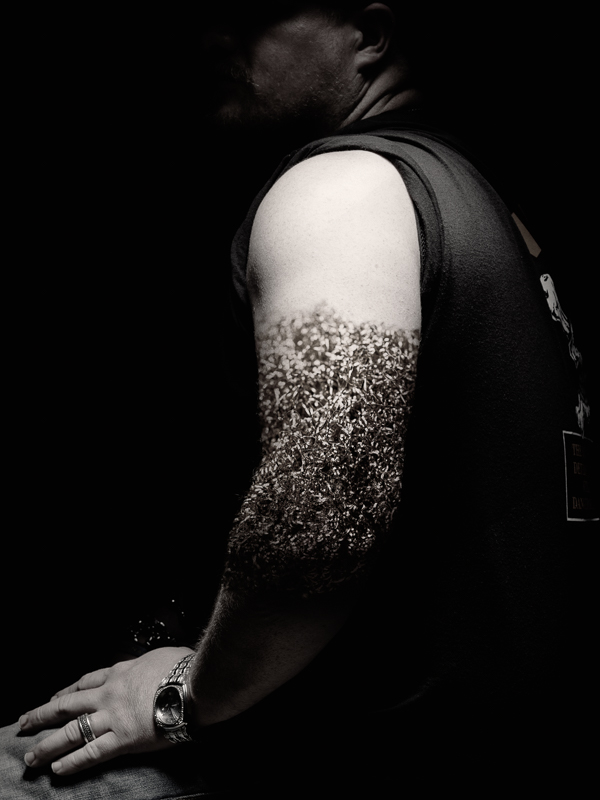
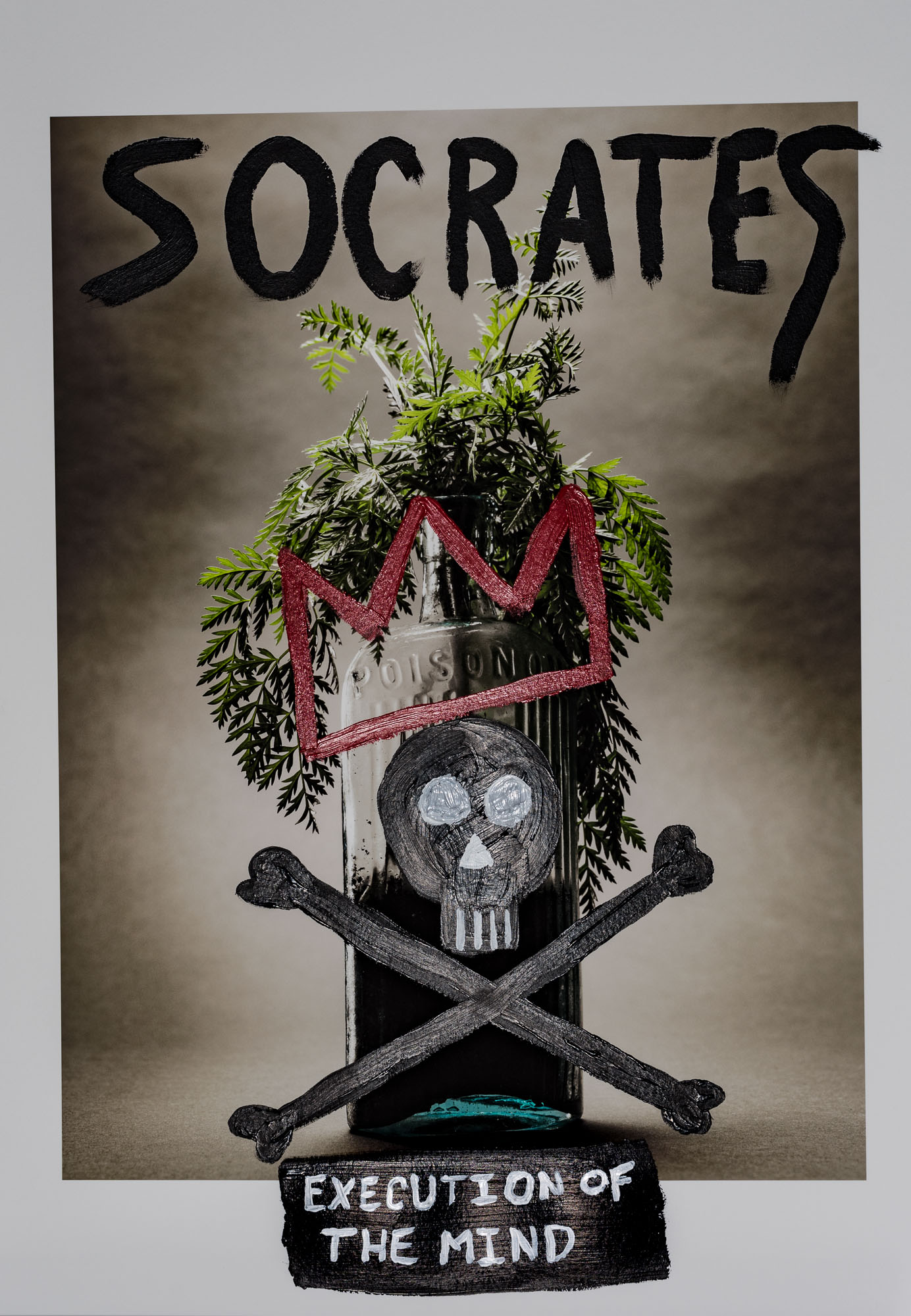
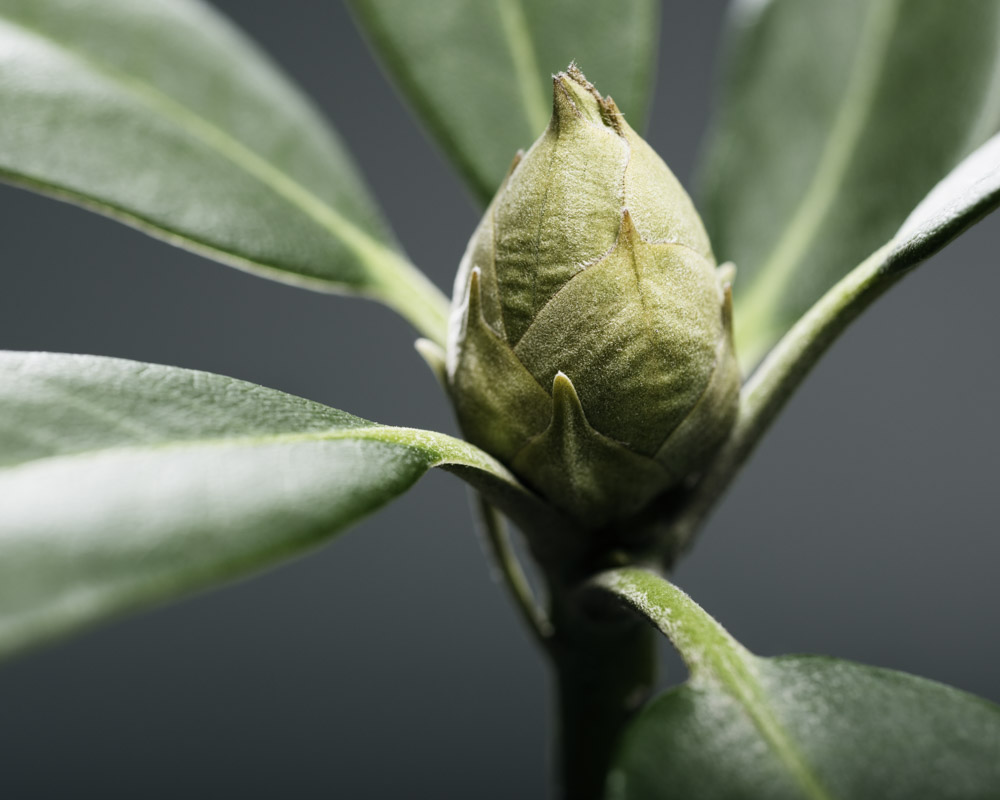
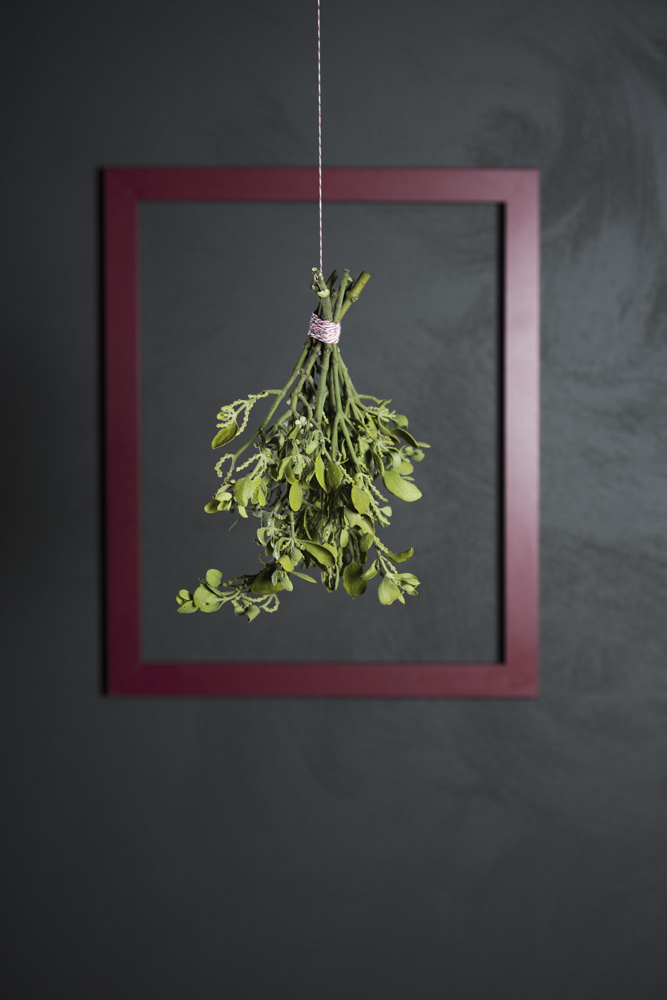
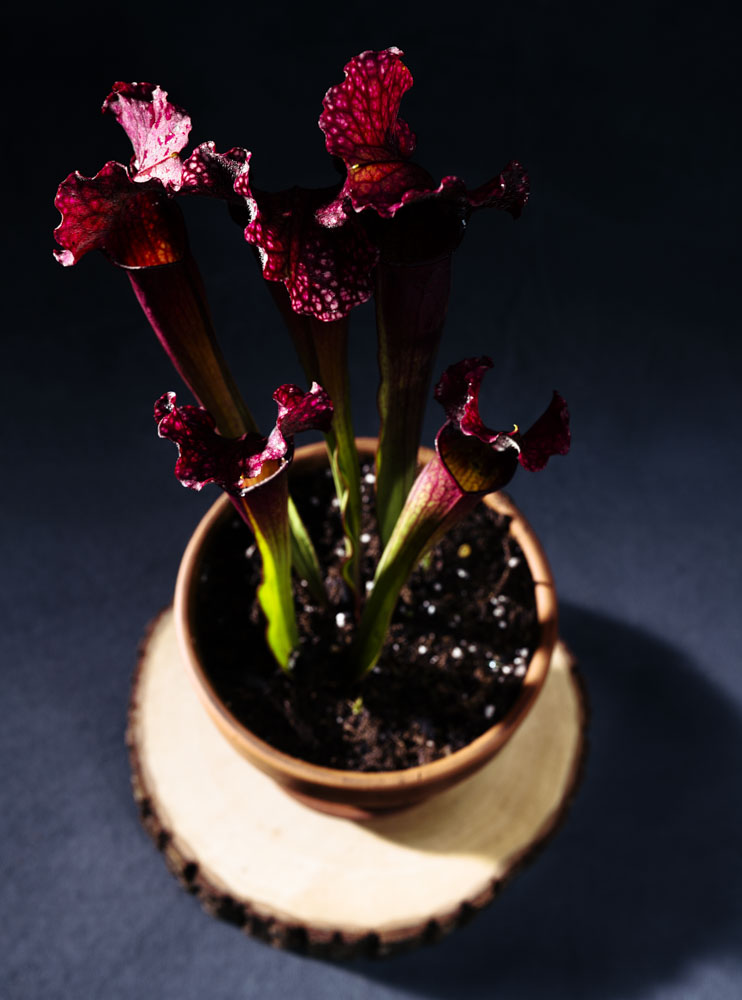
Lethal Garden is a project that I began in late 2014 to visually explore some of mother nature's most notorious killer plants. I grew and photographed them. Many of them grow all around us. In our backyards and gardens, and on our playgrounds and farms. Most of them are aesthetically pleasing and are prized for their extraordinary visual appeal. Oddly, others are grown for consumption as food or medicine. A small minority of them have been used in homicides, suicides, and executions.
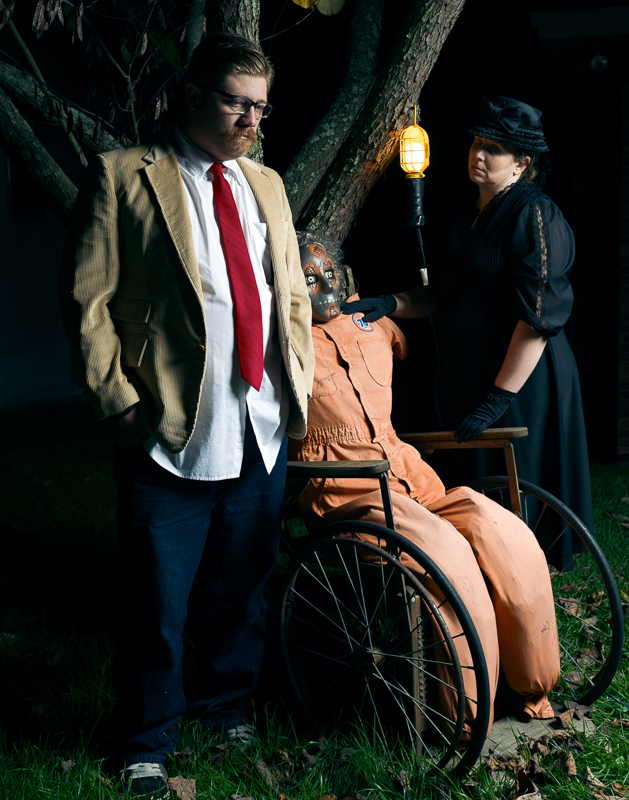
Sadly, nearly all cases of fatal poisoning in humans on record are intentional in nature. Others are cases of accidental consumption, where a lethal variety is mistaken for an edible one. Typically, mortality is highly dependent on the severity of exposure, amount consumed, and level of medical intervention. As with most things in life, too much of anything can be dangerous. This is the case with some of the more common food we consume that contain small amounts of toxin that the body can handle, but are highly lethal in large doses. However, a few plants contain more exotic poisons that can kill with less than the amount found in a single seed. Burning toxic plants can contaminate the air and poison those who breathe the contaminated fumes. Several lethal plant toxins can be absorbed topically through the skin. While pets and livestock can be remarkably tolerant to some of these poisons, they are not categorically immune.

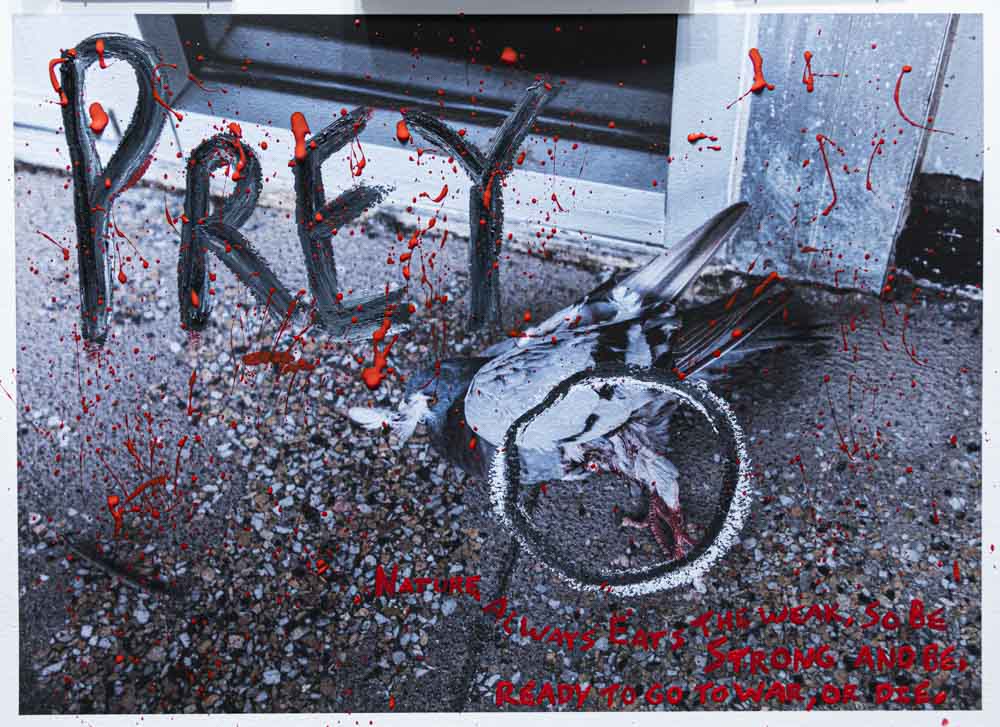
I think it is a rather extraordinary notion that these plants blur the line between predator and prey and challenge man's position on the food chain. I have a tremendous amount of fascination, curiosity, and respect for them.

Completed: Winter 2014 - Summer 2016


Exhibitions

Art in the Heart Gallery (July 2016)
Kingsport City Hall (August 2016)


Project Summary

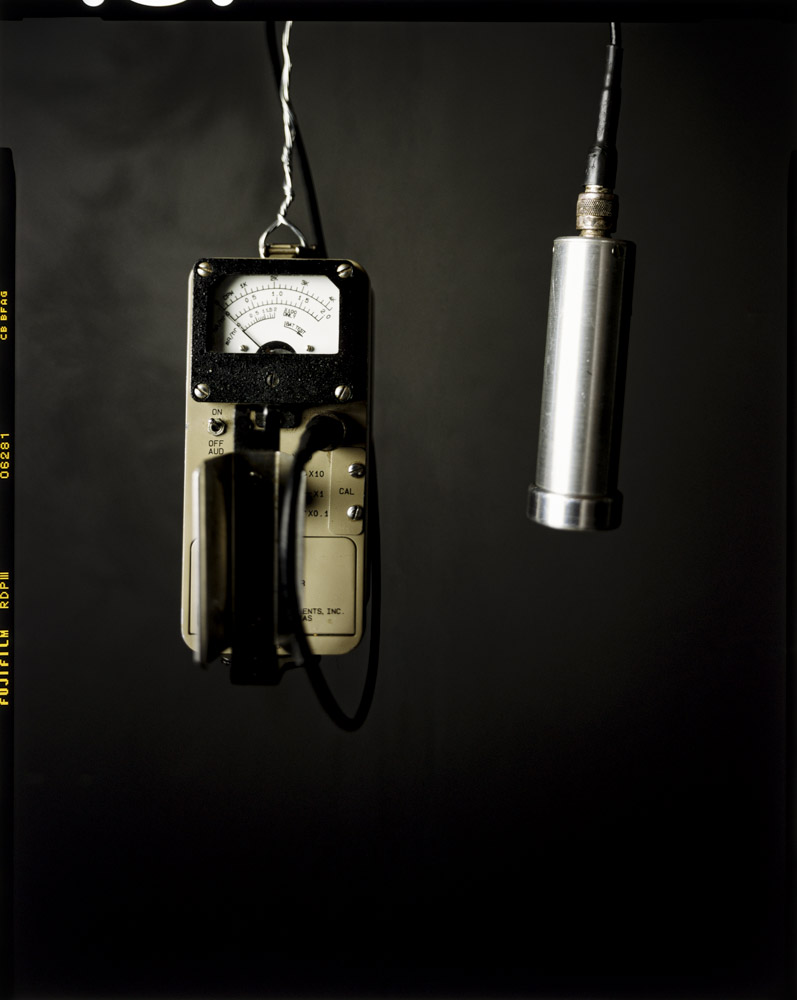
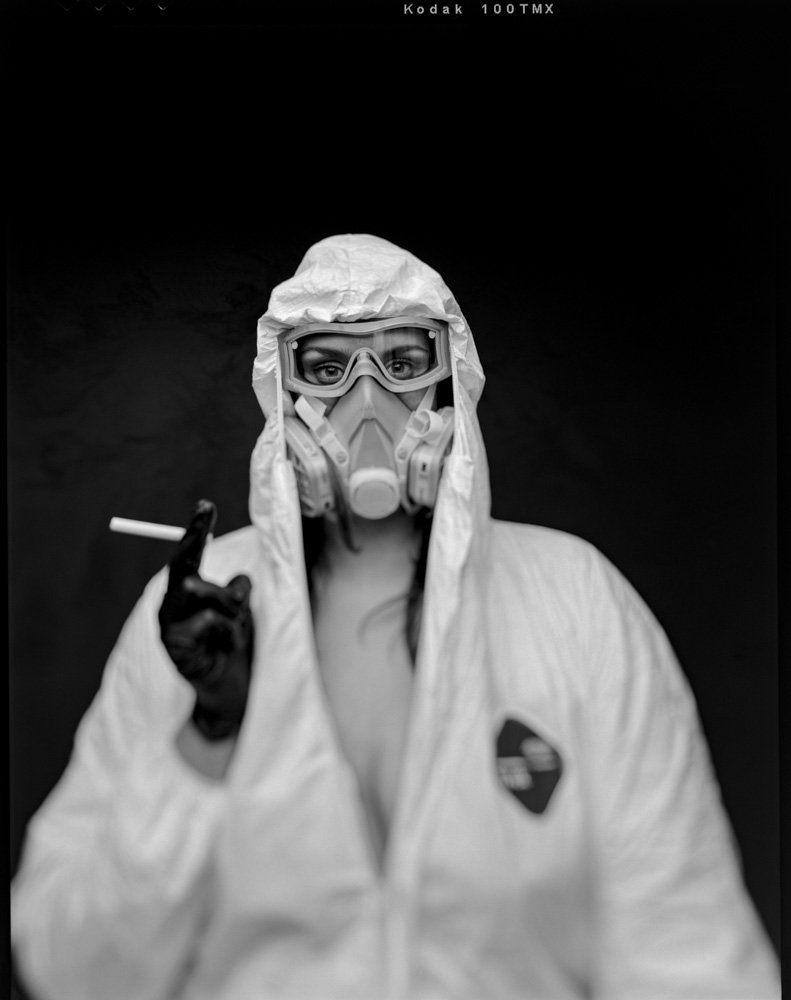
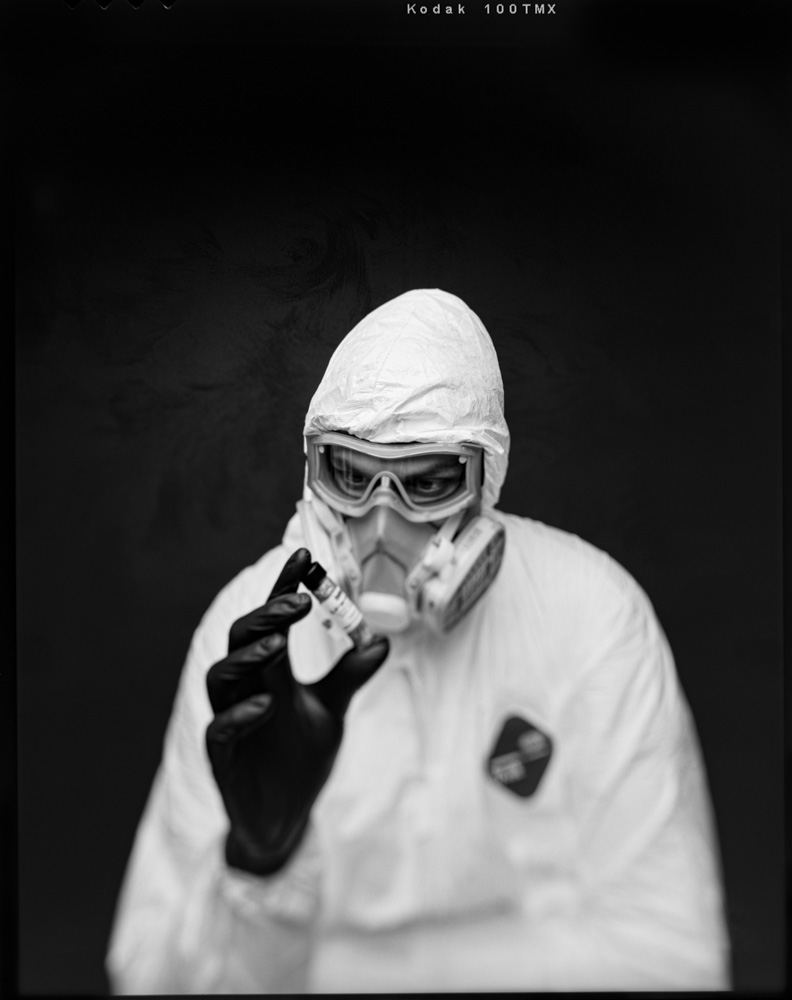
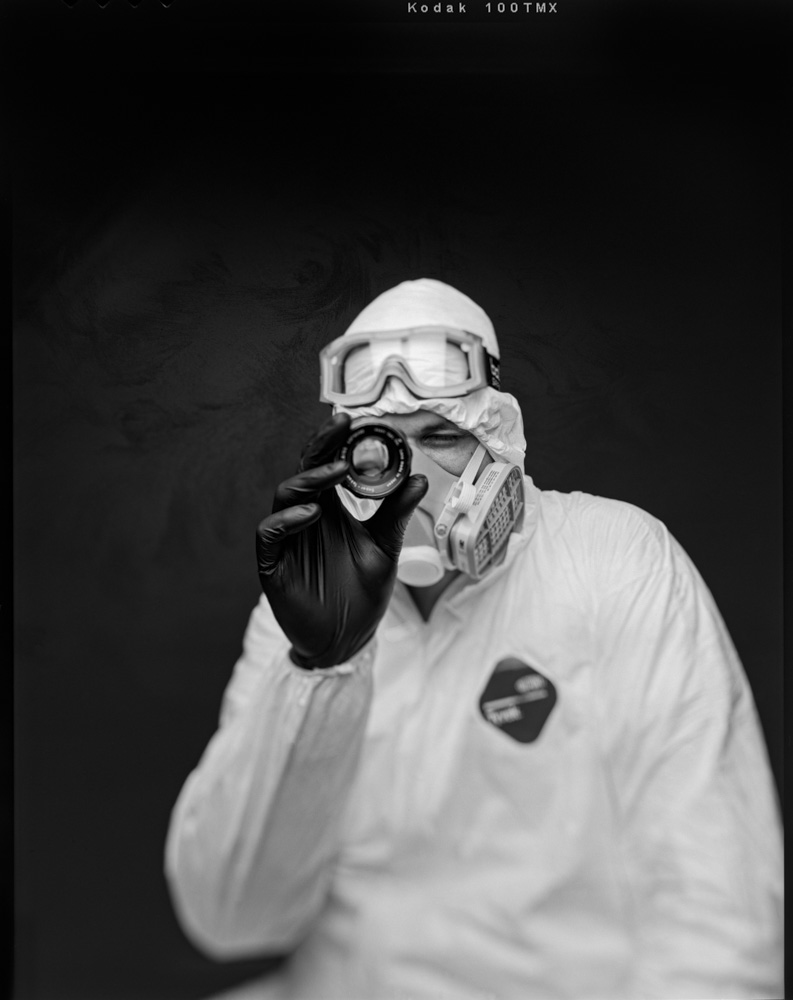
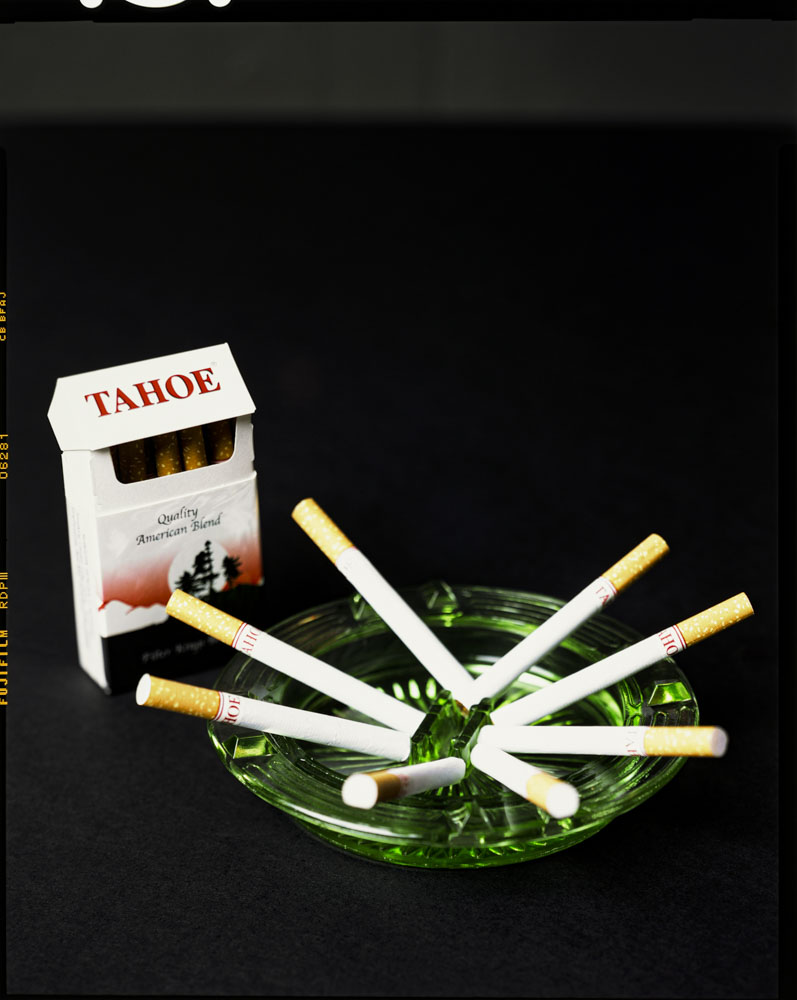
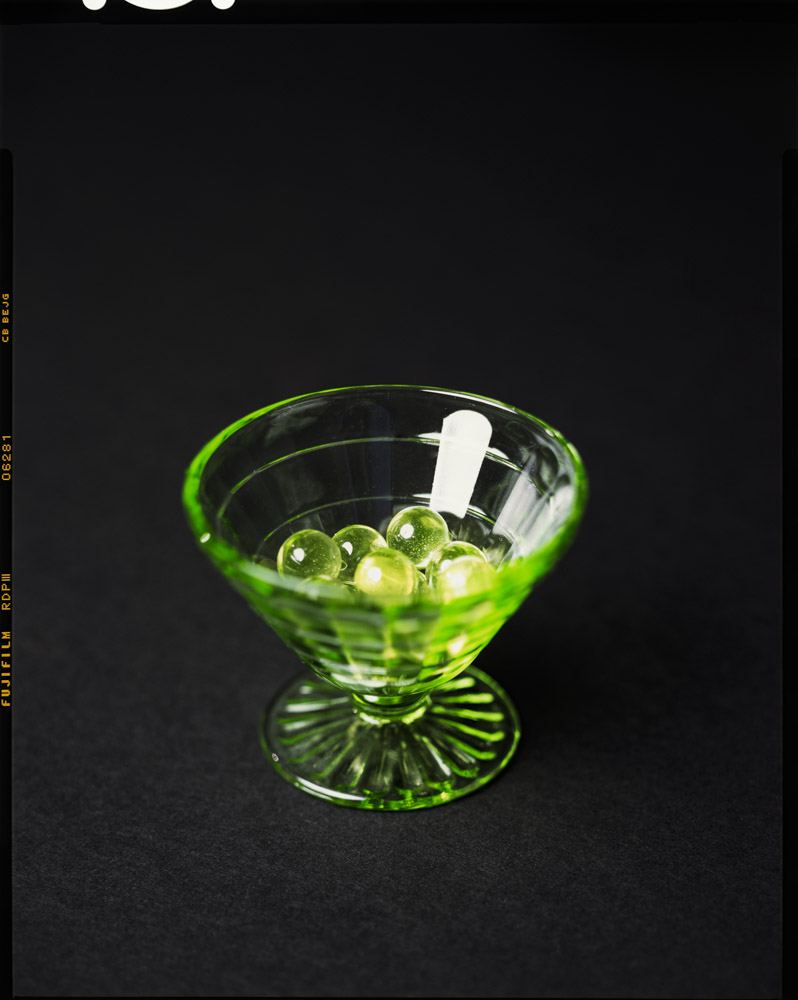
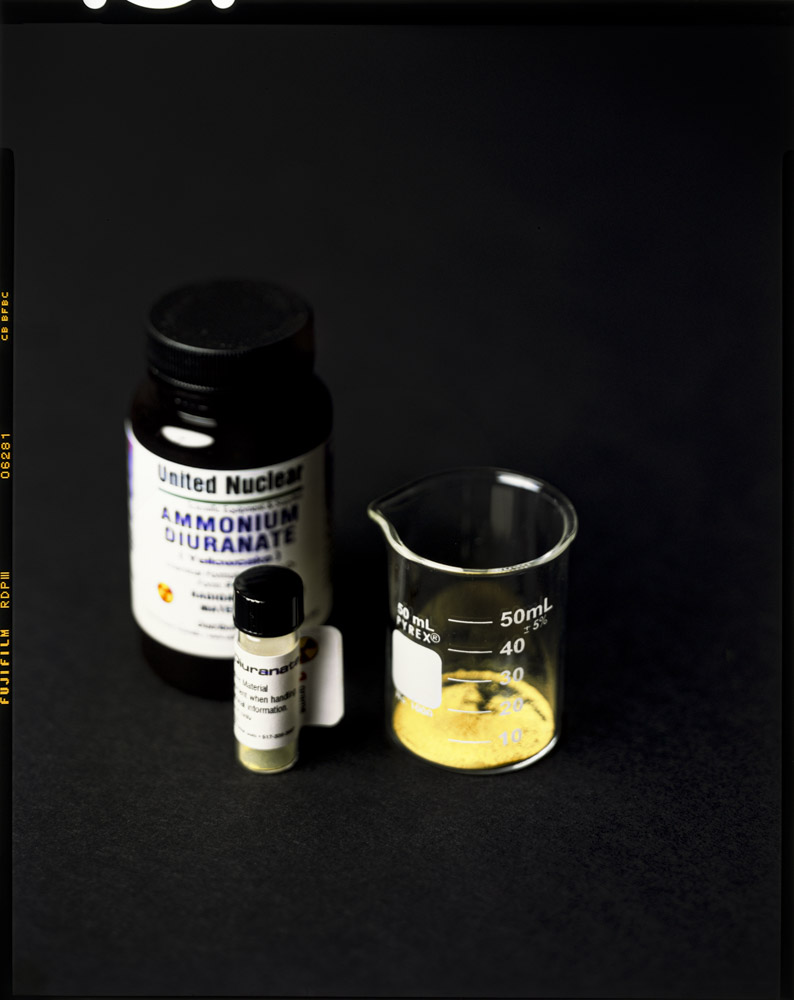
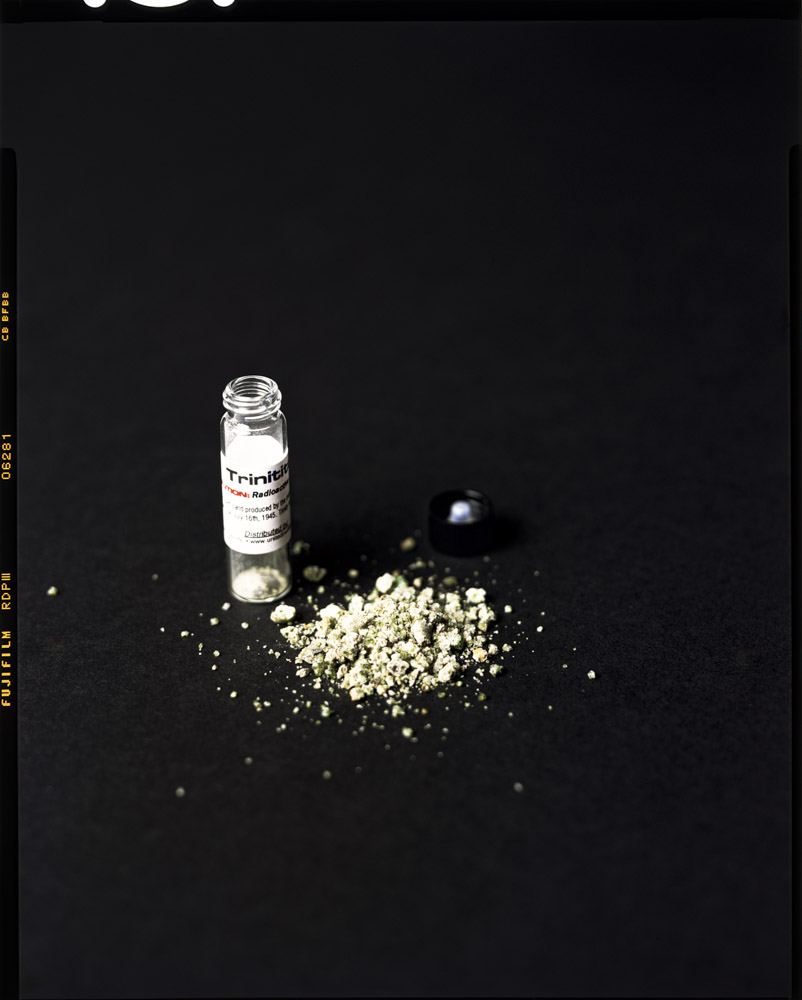
Tom Clynes's book, The Boy Who Played With Fusion, about Taylor Wilson is an incredible read. After reading it, I couldn't help but wonder about the radioactivity of the items that we have all around us. This project is an attempt to explore and visualize them.


Completed: Summer 2015


Geiger Counter
Radiation Testing Device

Cigarettes
Isotope: Polonium-210 & Lead-210
Radiation: Alpha
Absorbed from the ground by tobacco.

"Atomsite" (Trinitite)
Isotope: Caesium-137, Americium-241, Barium-133, Cobalt-60
Radiation: Alpha, Beta, and Gamma
Created during nuclear testing at Los Alamos during WWII. The heat from the blast essentially melted the sandy desert floor into this glass like substance.

Camera Lens
Isotope: Thorium
Radiation: Alpha, Beta, and Gamma
Thoriated glass was used in the manufacture of camera lenses pre-1960.

Cigarettes
Isotope: Polonium-210 & Lead-210
Radiation: Alpha
Absorbed from the ground by tobacco.

Uranium Glass
Isotope: Uranium-238
Radiation: Alpha
This type of glassware was popular in the 1960s.

"Yellowcake" (Ammonium Diuranate)
Isotope: Uranium-238
Radiation: Alpha
Precursor for the Uranium enrichment process.

"Atomsite" (Trinitite)
Isotope: Caesium-137, Americium-241, Barium-133, Cobalt-60
Radiation: Alpha, Beta, and Gamma
Created during nuclear testing at Los Alamos during WWII. The heat from the blast essentially melted the sandy desert floor into this glass like substance.

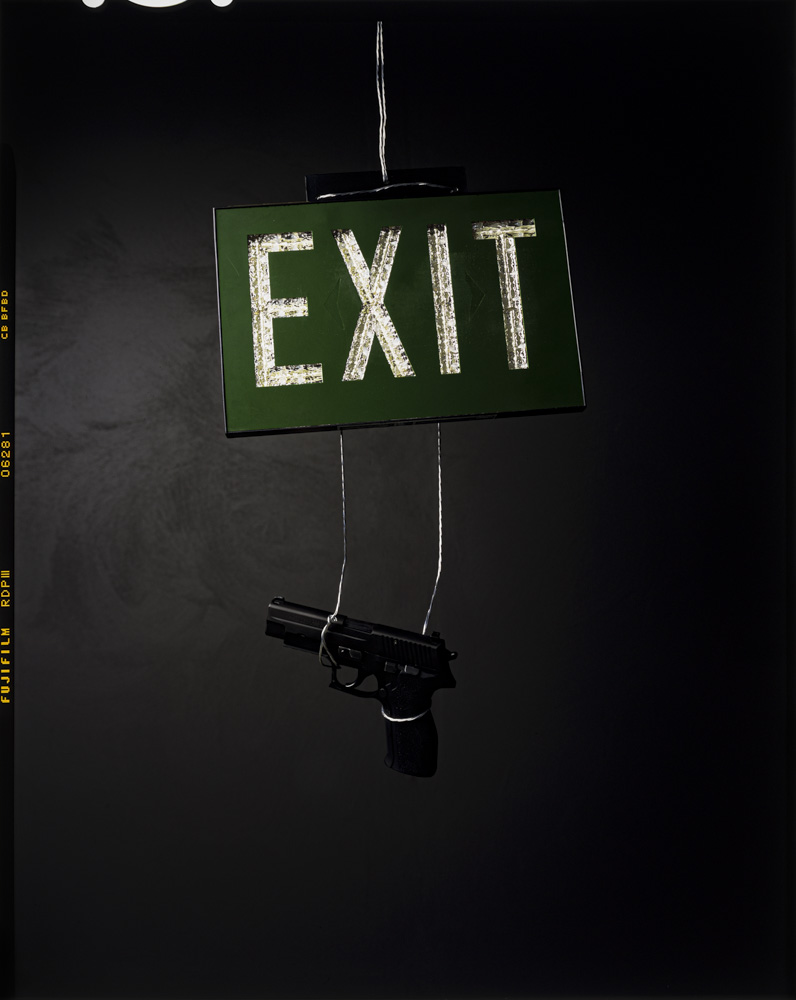
Exit Signs & Firearm Night-Sights
Isotope: Hydrogen-3 or "Tritium"
Radiation: Beta
This material is extremly rare on earth and is found primarily in space.

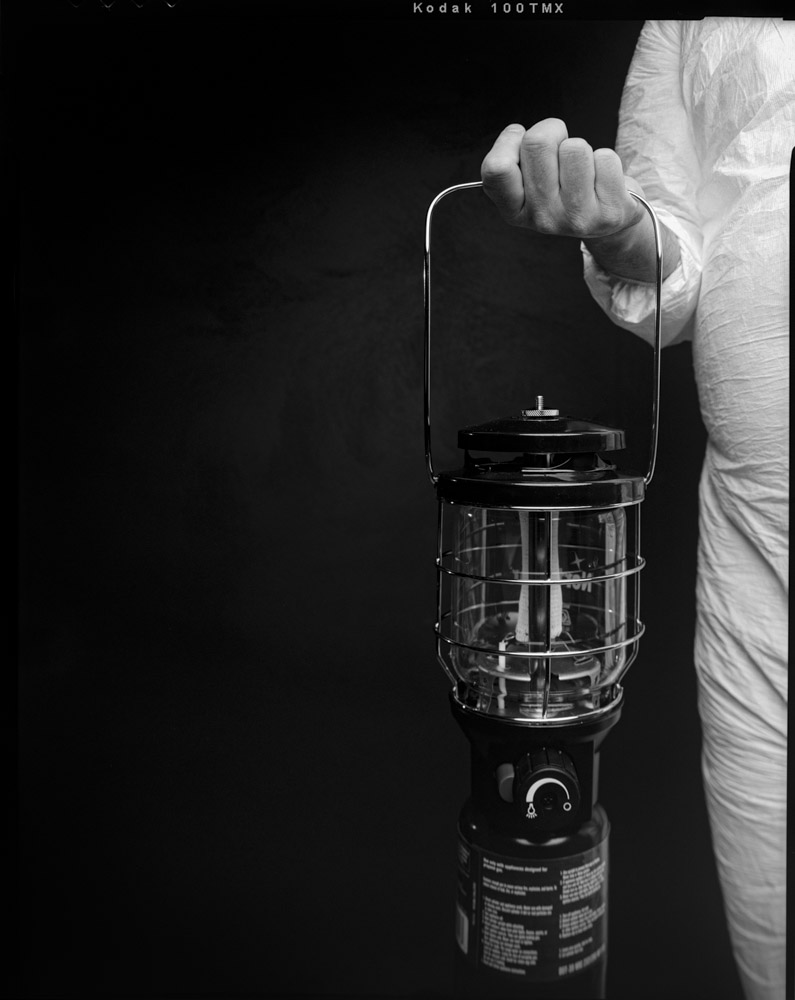
Lantern Mantles
Isotope: Thorium
Radiation: Alpha, Beta, and Gamma
Still used in the production of lantern mantles today.

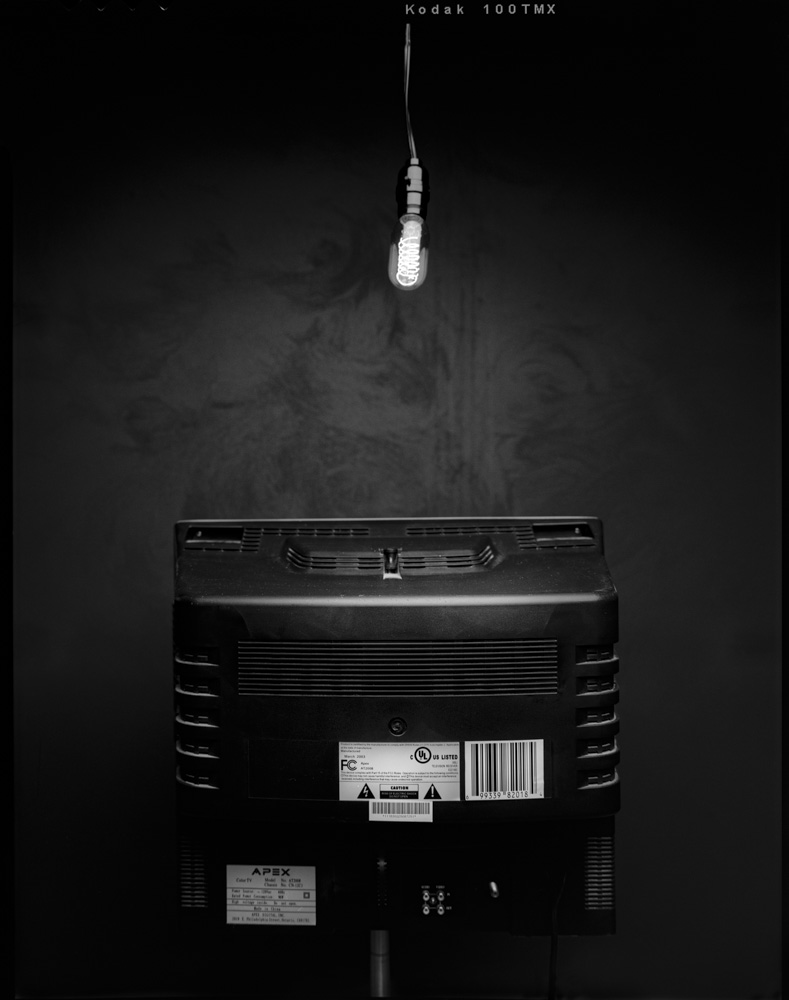
Tube TVs
Radiation: X-Rays (Gamma)

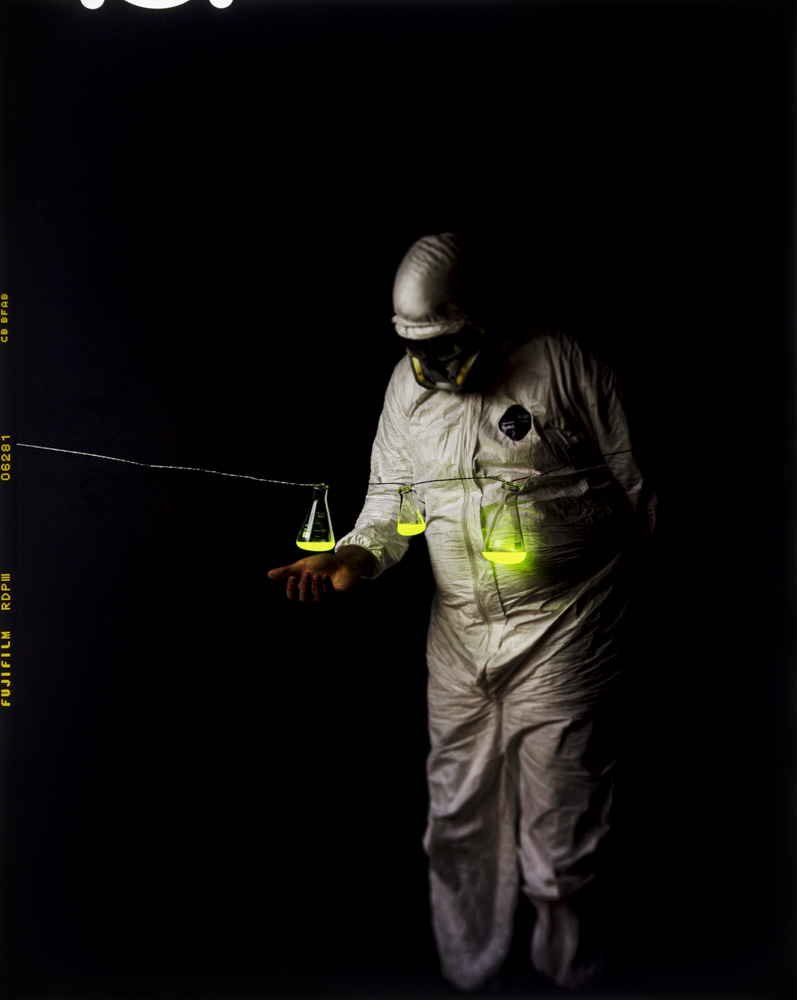
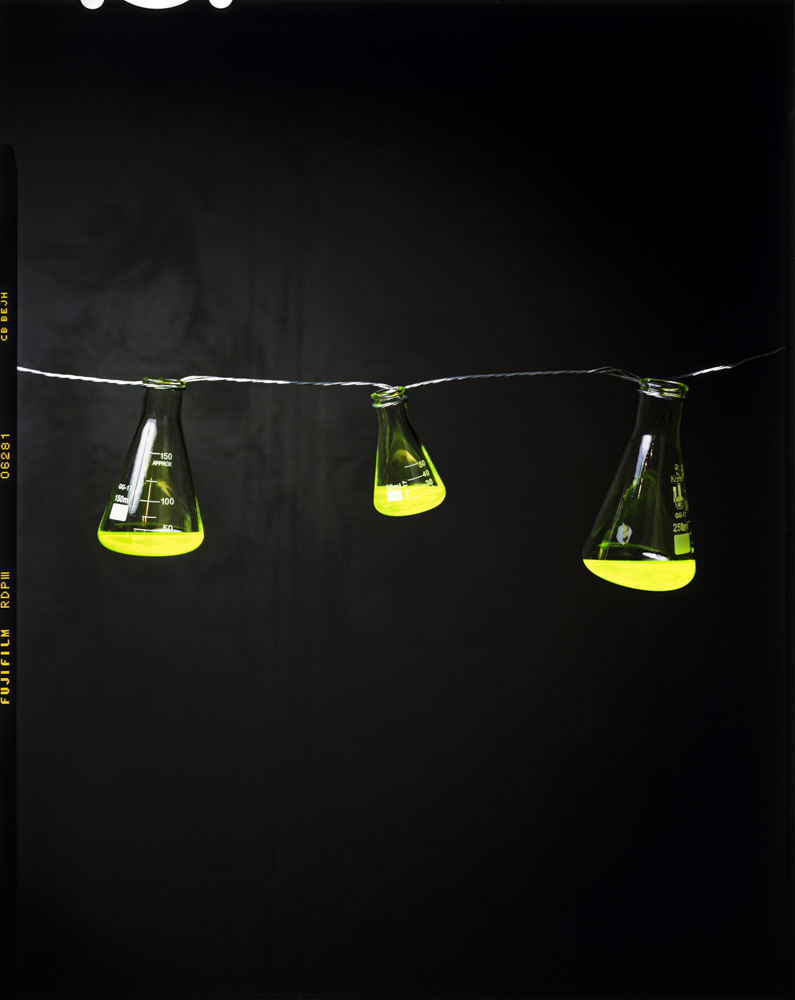
Glow Sticks
Radiation: None
It is a common misconception that glow sticks contain radioactive material. The glow produced is entirely a chemical reaction, hince the need to "snap" them.

Glow Sticks
Radiation: None
It is a common misconception that glow sticks contain radioactive material. The glow produced is entirely a chemical reaction, hince the need to "snap" them.

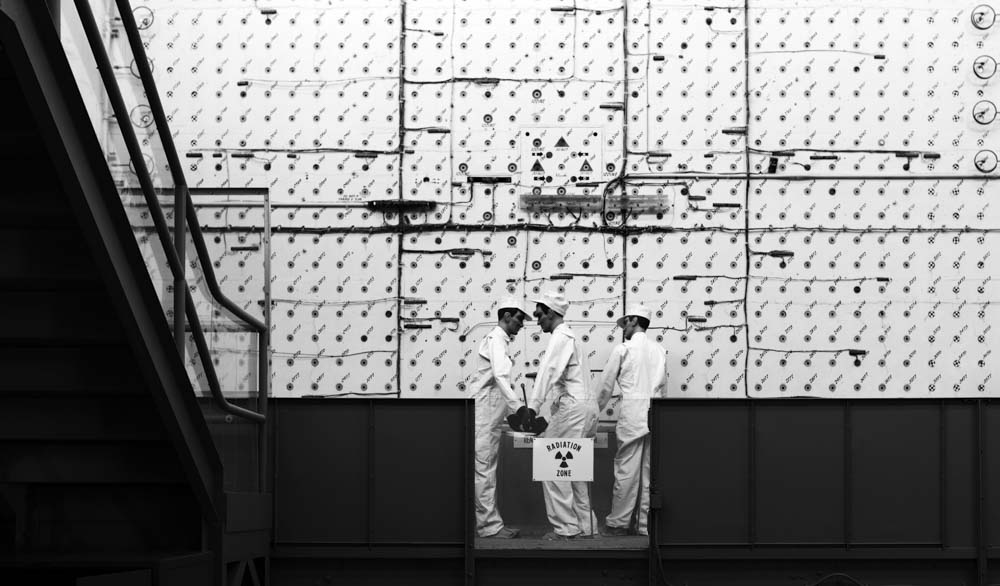
X-10 Graphite Reactor (Circa 2015)
Oak Ridge, TN
One of the primary reactors used during the Manhattan Project to produce enriched Plutonium for WWII era atomic weapons.